
Why Am I Not Losing Weight On Semaglutide?
September 19, 2025
|
NewShape Weight Loss Clinic
Understanding Semaglutide for Weight Loss
What is Semaglutide?
Semaglutide is a GLP-1 receptor agonist, first designed to help manage type 2 diabetes by regulating blood sugar. Over time, doctors and researchers noticed something interesting—patients on semaglutide were losing significant weight even when weight loss wasn’t the primary goal. This side effect quickly became the main attraction.
Unlike fad diets or over-the-counter “quick fixes,” semaglutide is rooted in real science. It’s FDA-approved and prescribed under brand names like Wegovy and Ozempic for weight management. The appeal lies in the fact that it works with your body’s natural hormones rather than against them. Imagine having a built-in volume knob for hunger—semaglutide turns it down so the cravings don’t scream as loudly.
How Semaglutide Works in the Body
To understand why semaglutide may or may not work for you, picture how it functions in the body. It mimics GLP-1 (glucagon-like peptide-1), a hormone released after eating that signals the brain: “Hey, I’m full.”
Here’s what happens step by step:
- Slows digestion – Food stays in your stomach longer, preventing rapid spikes in hunger.
- Reduces appetite – Your brain gets the “fullness signal” sooner.
- Stabilizes blood sugar – Fewer crashes mean fewer desperate snack runs.
It’s not magic—it’s biology. But like any tool, its effectiveness depends on how you use it.
Why It Became Popular for Weight Loss
If you’ve scrolled through social media lately, you’ve probably seen semaglutide trending with hashtags like #OzempicJourney. Celebrities talk about it, and wellness influencers post dramatic before-and-after pictures.
The appeal is clear: many people see double-digit weight loss within months. But here’s the catch—semaglutide isn’t a “set it and forget it” solution. It works best as part of a bigger lifestyle shift. Think of it as hiring a personal trainer for your hormones—it’ll guide you, but you still have to show up and put in the work.
Common Reasons You’re Not Losing Weight on Semaglutide
Unrealistic Expectations
Let’s be honest—one of the biggest reasons people feel disappointed is because they expect semaglutide to melt pounds off like butter in a hot pan. In reality, healthy weight loss is a marathon, not a sprint.
For example, some patients see dramatic results within the first month, while others notice slow but steady progress. If your best friend dropped 15 pounds and you only lost 4, it doesn’t mean the medication isn’t working—it means your body is on its own schedule. Genetics, metabolism, and even stress levels all play a role.
Think of weight loss like planting a garden: some seeds sprout fast, others take time to push through the soil. Both can eventually bloom beautifully if you keep nurturing them.
Inconsistent Medication Use
Semaglutide works best when it’s taken consistently, usually as a weekly injection. Missing doses or taking them irregularly is like skipping gym sessions and then wondering why the muscles aren’t growing.
Imagine trying to bake a cake but only turning on the oven once in a while—it just won’t cook properly. Your body relies on steady signals from the medication, so consistency isn’t just suggested—it’s essential.
Diet Habits That Sabotage Progress
Here’s a tough truth: semaglutide can help control appetite, but it doesn’t erase poor food choices. If your diet still revolves around processed snacks, fried foods, and sugary drinks, the scale won’t budge much.
Let’s say semaglutide reduces your hunger, and you eat fewer slices of pizza—great! But if that pizza is still loaded with empty calories, your progress will stall. Think of semaglutide as a seatbelt—it keeps you safer, but you still have to drive responsibly.
Lack of Physical Activity
Weight loss isn’t just about eating less—it’s also about burning energy. If you’re skipping workouts, you’re leaving half the benefits on the table. Exercise boosts metabolism, preserves lean muscle, and improves mood—all of which amplify semaglutide’s effects.
And no, you don’t have to run marathons. Brisk walking, strength training, or even dancing in your living room all count. Small, consistent activity adds up like loose change in a jar—it may not seem like much at first, but over time, it grows into something substantial.
Hidden Medical Conditions
Sometimes, the barrier to weight loss has nothing to do with willpower or effort. Conditions like hypothyroidism, PCOS, insulin resistance, or hormonal imbalances can throw a wrench in your progress.
For example, a sluggish thyroid slows metabolism, meaning your body burns fewer calories at rest. Even with semaglutide, the results may lag unless the underlying condition is treated. This is why ongoing medical supervision is key—your doctor can run bloodwork and adjust treatment plans accordingly.
Alcohol and Lifestyle Factors
A few drinks here and there might not seem like a big deal, but alcohol is sneaky. It’s packed with calories, lowers inhibitions (hello, late-night snacks), and disrupts sleep—all of which slow down weight loss.
Other lifestyle factors like chronic stress, dehydration, or smoking can also counteract progress. Think of it as trying to row a boat forward while the current is pulling you back—it’s exhausting, and you don’t get very far.
Plateau Effect After Initial Loss
Plateaus are frustrating, but they’re also normal. In the early weeks, you might drop weight quickly due to water loss and reduced calorie intake. But after a while, the body adapts.
It’s like your metabolism recalibrates—“Okay, this is the new normal.” At that point, you may need to tweak your diet, up your activity, or work with your doctor to adjust dosage. Plateaus aren’t failure—they’re simply pit stops on the journey.

Psychological and Behavioral Factors
Emotional Eating and Stress
Stress eating is powerful enough to override semaglutide’s appetite control. When emotions run high, logic often takes a backseat, and suddenly that tub of ice cream feels like the only solution.
Here’s an analogy: semaglutide is like having an umbrella in the rain. It keeps you dry—unless a storm of stress blows it inside out. That’s why building coping mechanisms, like journaling, meditation, or even short walks, can protect your progress.
Sleep Deprivation’s Role in Weight Loss
When you skimp on sleep, hunger hormones go haywire. Ghrelin (the “I’m hungry” hormone) increases, while leptin (the “I’m full” hormone) decreases. Even semaglutide struggles against this hormonal imbalance.
Think about the last time you stayed up late—did you crave celery or chips? Probably chips. Lack of sleep tricks your body into demanding quick energy, usually in the form of sugary or fatty foods. Prioritizing 7–9 hours of rest may be one of the simplest ways to supercharge semaglutide’s effectiveness.
Underestimating Portion Sizes
Even with appetite control, portion distortion is real. Restaurants often serve double or triple the recommended serving sizes. If you’re not mindful, you could be eating way more than you think.
A useful trick is to use smaller plates and bowls—it’s a simple psychological hack that makes portions look bigger. Another is tracking your food intake for a week to get an honest picture of where hidden calories creep in.
How to Maximize Semaglutide Results
Following a Balanced Nutrition Plan
Semaglutide isn’t a free pass to eat anything you want. To maximize results, focus on lean proteins, colorful vegetables, whole grains, and healthy fats. Think salmon with quinoa and roasted veggies—not burgers with fries and soda.
Balanced meals provide steady energy and prevent cravings. Imagine fueling your car with premium gas versus cheap fuel—the performance difference is obvious.
Combining Medication with Exercise
Exercise doesn’t just burn calories—it tells your body what to do with the weight you lose. Without activity, you risk shedding muscle along with fat. But with exercise, especially strength training, you preserve muscle and boost metabolism, creating a body that’s leaner and stronger.
And remember: movement should be enjoyable. If you hate the gym, try dance classes, hiking, or even pickleball. The best workout is the one you actually stick with.
Tracking Progress Effectively
If you only rely on the scale, you might miss other signs of progress. Take waist measurements, track clothing fit, or notice changes in energy and mood.
For example, one patient at NewShape noticed she hadn’t lost much on the scale after two months, but her jeans were looser, and she could climb stairs without feeling winded. That’s real progress, even if the numbers didn’t scream it.
Staying Patient and Consistent
Weight loss takes time—sometimes months, sometimes years. Semaglutide helps, but it doesn’t override biology. Staying consistent, even when progress feels slow, is the golden ticket.
Remember: consistency beats intensity. A steady jog to the finish line wins over sprinting, burning out, and quitting halfway.
The Role of Medical Supervision
Why Regular Checkups Are Crucial
Regular check-ins with your healthcare provider allow you to monitor progress, address side effects, and make necessary adjustments. Skipping appointments is like trying to fly a plane without checking your instruments—you risk going off course without realizing it.
Adjusting Dosage with a Professional
Not everyone responds to the same dosage. Some need gradual increases, others may benefit from slower adjustments to minimize side effects. Self-adjusting is risky and can derail progress. Your provider is like a GPS—they help recalibrate when you’re not on the right path.
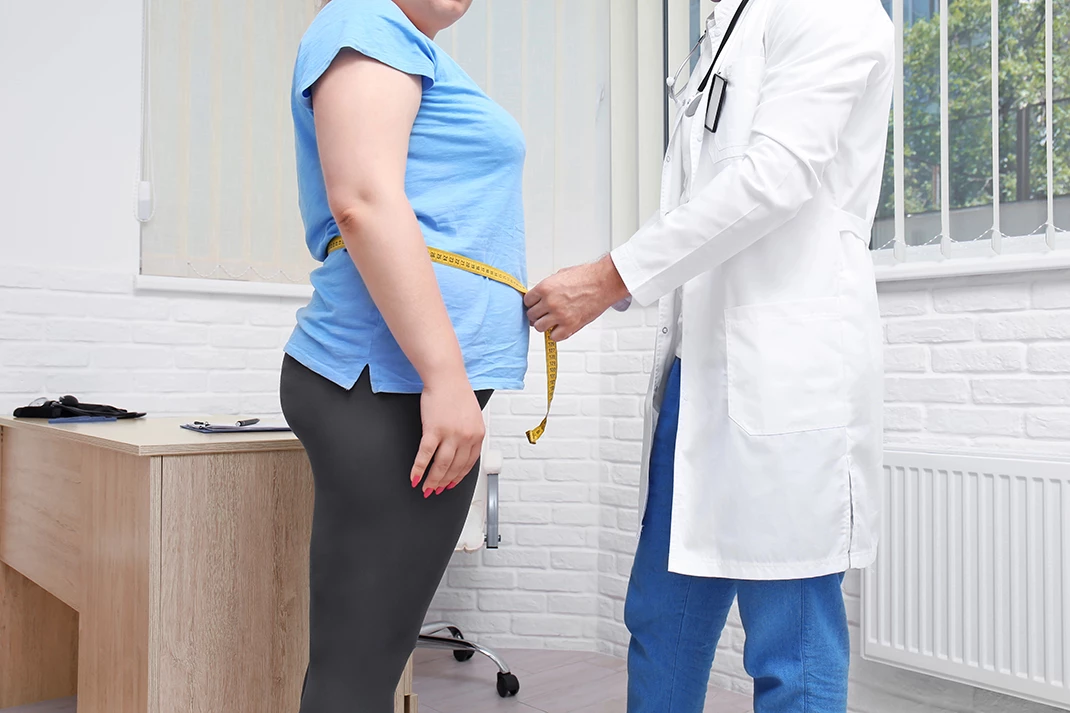
NewShape Weight Loss Clinic in Sharpstown
Personalized Support from Experts
At NewShape Weight Loss Clinic near Sharpstown, weight loss isn’t one-size-fits-all. Their team designs personalized plans that combine semaglutide with nutrition counseling, fitness strategies, and behavioral coaching. Patients don’t just get a prescription—they get a partner in their journey.
Why Sharpstown Residents Trust Us
Sharpstown locals choose NewShape because of its patient-first approach. The clinic emphasizes education, long-term sustainability, and accountability. Whether you’re stuck on a plateau or just starting semaglutide, their supportive environment makes the difference between short-term success and lasting transformation.
When to Seek Medical Help
Warning Signs You Shouldn’t Ignore
If you’re experiencing severe nausea, dehydration, chest pain, or rapid weight gain, call your provider immediately. These could signal side effects or other health issues that need urgent attention.
Possible Side Effects That Affect Progress
Common side effects include nausea, constipation, or gastrointestinal discomfort. Left unaddressed, these may cause you to eat less—not in a good way, but in a way that disrupts nutrition and slows progress. Luckily, most side effects can be managed with dosage adjustments or dietary tweaks.
Lifestyle Shifts That Enhance Results
Building Sustainable Healthy Habits
The real power of semaglutide comes when it’s paired with long-lasting habits. Meal prepping, drinking more water, scheduling workouts, and getting adequate rest all create an environment where success feels natural instead of forced.
Think of it like building a house—semaglutide is the foundation, but habits are the walls and roof. Without them, the foundation doesn’t mean much.
The Power of Community and Accountability
Weight loss journeys can feel lonely, but they don’t have to be. Support groups, online forums, or even a workout buddy can keep you motivated. Accountability transforms “I’ll do it tomorrow” into “I did it today.”
NewShape Weight Loss Clinic Serving the Sharpstown Community and Beyond in Houston
NewShape Weight Loss Clinic is dedicated to serving the diverse needs of the local community of Houston, including individuals residing in neighborhoods like Sharpstown. With its convenient location near landmarks such as the St. Luke’s United Methodist Church Gethsemane and major intersections like Bintliff Dr and De Moss Dr (coordinates: 29.707710481237605, -95.50416401030873), we offer semaglutide cost Houston services.
Get Semaglutide Cost at Sharpstown Now
Navigate From Sharpstown to NewShape Weight Loss Clinic Now
Conclusion
If you’re asking, “Why am I not losing weight on semaglutide?”—the answer is rarely simple. It’s often a mix of lifestyle choices, expectations, underlying health conditions, and how consistently you follow the plan.
The good news? With patience, adjustments, and the right support—like the expert care at NewShape Weight Loss Clinic in Sharpstown—lasting results are absolutely possible. Remember, semaglutide is a tool, not the entire toolbox. Combine it with healthy habits, medical guidance, and perseverance, and you’ll be well on your way to success.
FAQs
1. How long does it usually take to see results on semaglutide?
Most patients start noticing changes within 4–8 weeks, but the pace depends on diet, exercise, and individual metabolism.
2. Do I need to exercise while taking semaglutide?
Yes. Exercise boosts metabolism, preserves muscle, and improves overall health, making semaglutide more effective.
3. What foods should I avoid on semaglutide?
Limit fried, greasy, and heavily processed foods. These not only stall weight loss but can worsen nausea and GI discomfort.
4. Can stress prevent weight loss on semaglutide?
Definitely. Stress triggers cortisol, which promotes fat storage and emotional eating. Managing stress is as important as diet and exercise.
5. Why choose NewShape Weight Loss Clinic in Sharpstown for semaglutide support?
Because we go beyond prescriptions—offering a comprehensive, supportive, and personalized program that helps patients succeed long-term.