
What Medications Are Used For Medical Weight Loss
February 21, 2026
|
NewShape Weight Loss Clinic
Medical weight loss has shifted the conversation around obesity and long-term weight management. Instead of relying on crash diets or extreme workout plans, people now turn to science-backed treatments that work with the body.
Medical weight loss medications help control appetite, regulate blood sugar, and support consistent fat loss under professional supervision.
In a large, fast-paced city like Houston, many adults juggle demanding schedules, stress, and limited time for traditional weight loss efforts. Medical weight loss offers a practical, structured path that fits real life. This guide explains the medications commonly used, how they work, who they help most, and what to expect during treatment.
Understanding Medical Weight Loss
Medical weight loss treats excess weight as a health condition, not a lack of discipline. Physicians evaluate hormones, metabolism, lifestyle patterns, and existing medical issues before creating a plan. Medication becomes one tool within a larger, personalized strategy.
Unlike commercial programs, medical weight loss relies on clinical evidence. Doctors monitor progress, adjust dosages, and address side effects early. That level of care often leads to better outcomes and improved overall health.
How Medical Weight Loss Differs From Dieting
Dieting focuses on restriction. Medical weight loss focuses on regulation. Many people struggle with weight because hunger hormones, insulin resistance, or metabolic slowdowns fight against calorie reduction. Medication helps calm those internal signals.
Instead of white-knuckling hunger all day, patients often notice reduced cravings, smaller portion sizes, and fewer food-related thoughts. Weight loss becomes a process rather than a constant battle.

Who Qualifies For Medical Weight Loss Programs
Medical weight loss programs typically help adults with obesity, overweight conditions linked to health risks, or long-standing difficulty losing weight. Providers often consider:
- Body mass index (BMI)
- Medical history
- Blood sugar levels
- Cholesterol
- Previous weight loss attempts
Qualification does not mean failure. It means the body needs medical support to function more efficiently.
How Weight Loss Medications Work
Weight loss medications target biological systems that influence hunger, digestion, and energy use. Each medication works differently, which is why personalization matters.
Appetite Regulation
Some medications communicate with the brain’s appetite centers. They increase feelings of fullness and decrease hunger signals. Many patients describe feeling satisfied after eating less food.
Blood Sugar Control
Fluctuating blood sugar drives cravings and overeating. Certain medications stabilize glucose levels, helping patients avoid sudden hunger spikes and energy crashes.
Fat Absorption Reduction
A smaller category of medications limits how much dietary fat the body absorbs. This reduces calorie intake while encouraging healthier food choices.
FDA-Approved Medications For Medical Weight Loss
Doctors use several FDA-approved medications depending on patient needs, health status, and weight loss goals.
GLP-1 Receptor Agonists
GLP-1 medications mimic a natural hormone involved in digestion and appetite control. They slow stomach emptying and enhance fullness.
Semaglutide
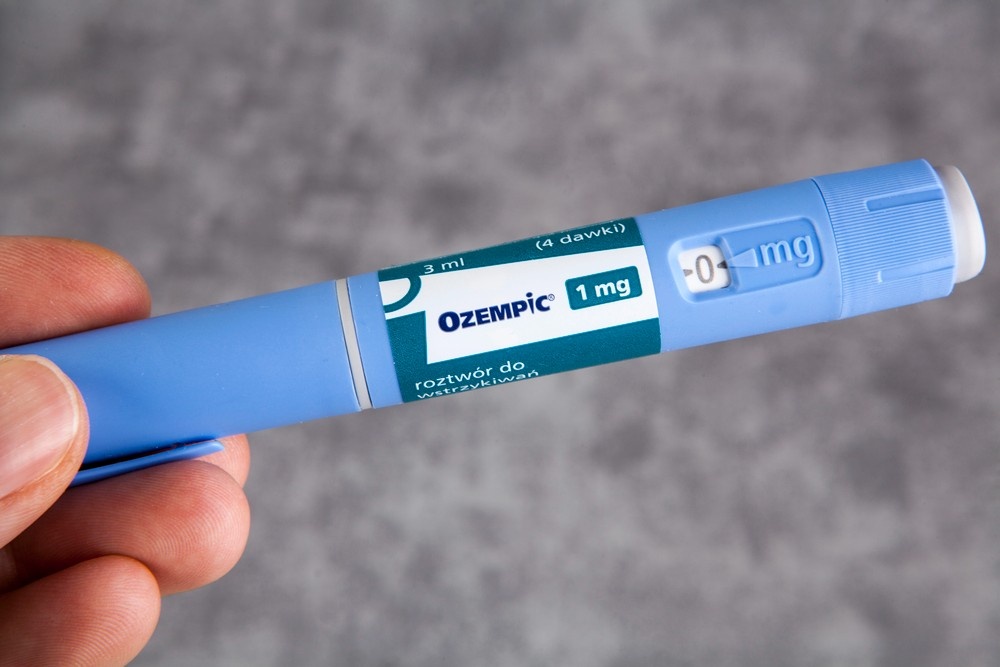
Semaglutide has gained attention for its effectiveness. Patients often experience reduced hunger, better portion control, and steady weight loss over time. Weekly dosing improves convenience and consistency.
Many patients report fewer cravings and improved control around food, which supports long-term lifestyle changes.
Liraglutide
Liraglutide works similarly to semaglutide but requires daily injections. It supports appetite suppression and blood sugar stability. Providers may recommend it based on individual tolerance or response.
Dual-Action Weight Loss Medications
Tirzepatide
Tirzepatide targets two hormonal pathways related to appetite and glucose regulation. This dual mechanism can lead to significant weight loss and metabolic improvement when paired with nutrition and movement.
Appetite Suppressants
Phentermine
Phentermine suppresses appetite through the central nervous system. Providers usually prescribe it short-term and monitor patients closely. It can jumpstart weight loss while patients build healthier habits.
Combination Medications
Phentermine-Topiramate
This combination medication enhances appetite control and supports sustained weight management. It works well for patients who need longer-term appetite regulation under medical guidance.
Fat Absorption Blockers
Orlistat
Orlistat limits fat absorption in the digestive tract. It works best alongside dietary counseling and mindful eating. Patients often adopt healthier food choices to avoid digestive discomfort.
Benefits of Medical Weight Loss Medications
Medical weight loss medications offer more than a lower number on the scale. Patients often experience:
- Improved blood sugar levels
- Reduced joint pain
- Better sleep quality
- Increased energy
- Improved confidence
Weight loss frequently improves related health conditions, making daily life more comfortable and active.
Safety, Monitoring, and Side Effects
Medical oversight ensures safety throughout treatment.
Common Side Effects
Side effects vary depending on the medication. Some patients notice nausea, digestive changes, or fatigue during early dose adjustments. Providers manage these effects carefully and adjust treatment as needed.
Importance of Medical Supervision
Regular follow-ups allow providers to track progress, review labs, and ensure medications align with patient health goals. Supervision reduces risks and improves long-term success.
NewShape Weight Loss Clinic: A Medical Approach near Mid West
NewShape Weight Loss Clinic offers physician-guided medical weight loss designed for real people with real schedules. The clinic focuses on personalized treatment, medical safety, and sustainable results.
Personalized Treatment Plans
Every patient receives an individualized plan based on health history, goals, and response to medication. This tailored approach improves results and reduces frustration.
Ongoing Medical Support
Weight loss rarely follows a straight line. Ongoing medical support helps patients navigate plateaus, side effects, and lifestyle changes with confidence.
Medical Weight Loss vs Surgical Options
Medical weight loss provides a non-surgical alternative for patients seeking meaningful results without invasive procedures. Medication offers flexibility, reversibility, and gradual progress under medical care.
Some patients later transition off medication while maintaining results through habits developed during treatment.
Lifestyle Changes That Support Medication
Medication works best alongside realistic lifestyle adjustments.
Nutrition Strategies
Balanced meals with adequate protein, fiber, and healthy fats support appetite control. Patients often focus on consistency rather than perfection.
Movement and Activity
Movement improves metabolism and mental health. Walking, resistance training, and daily activity all support weight loss without requiring extreme routines.
How Long Patients Stay on Weight Loss Medications
Treatment length varies. Some patients use medication for several months, while others benefit from longer-term support. Providers reassess regularly and adjust plans based on progress and goals.
Choosing the Right Clinic in Houston
The right clinic prioritizes medical expertise, transparency, and patient education. Look for licensed providers, clear treatment plans, and ongoing support rather than one-size-fits-all programs.
NewShape Weight Loss Clinic Serving the Mid West Community and Beyond in Houston
NewShape Weight Loss Clinic is dedicated to serving the diverse needs of the local community of Houston, including individuals residing in neighborhoods like Mid West. With its convenient location near landmarks such as the Draw Academy and major intersections like Harwin Dr. & Parkersburg Dr (coordinates: 29.721200305106084, -95.50416540170882), we offer medical weight loss Houston services.
Get Medical Weight Loss Services at Mid West Now
Navigate from Mid West to NewShape Weight Loss Clinic Now
Achieving Lasting Results with Medical Weight Loss Medications
Medical weight loss medications give patients tools their bodies may need to function better. Under professional care, these treatments help reduce hunger, improve metabolism, and support lasting change. Weight loss becomes achievable, structured, and sustainable.
FAQs
1. Do medical weight loss medications replace healthy eating?
No. Medication supports appetite control, but nutrition remains essential for long-term success.
2. How soon do patients see results?
Many patients notice reduced hunger within weeks, followed by steady weight loss.
3. Can weight return after stopping medication?
Healthy habits developed during treatment help maintain results afterward.
4. Do these medications help with diabetes?
Several medications improve blood sugar control alongside weight loss.
5. Is medical weight loss suitable for busy schedules?
Yes. Many treatments fit easily into daily routines with minimal disruption.