Are In-Person Weight Loss Clinics Still Worth It in 2026?
January 18, 2026
|
NewShape Weight Loss Clinic
In 2026, weight loss looks very different than it did just a decade ago. Virtual coaching apps, AI-driven meal planners, smart scales, wearable fitness trackers, and prescription medications delivered to your door have made it easier than ever to manage weight without leaving home
With so many digital options available, many people in the Mid West are asking a reasonable question: are in-person weight loss clinics still worth it?
Despite the rise of technology, brick-and-mortar clinics continue to attract clients who want more than an app notification or automated meal suggestion. Clinics like NewShape Weight Loss Clinic are still seeing steady demand, suggesting that personal support, accountability, and hands-on care remain valuable even in a high-tech era.
This article takes a deep, honest look at whether in-person weight loss clinics are still relevant in 2026, how they compare to virtual alternatives, and who benefits most from choosing face-to-face care.
The Evolution of Weight Loss Clinics
Weight loss clinics have come a long way. Years ago, they were often associated with rigid meal plans, calorie counting, and limited customization. Today’s clinics operate in a much more advanced, patient-centered way.
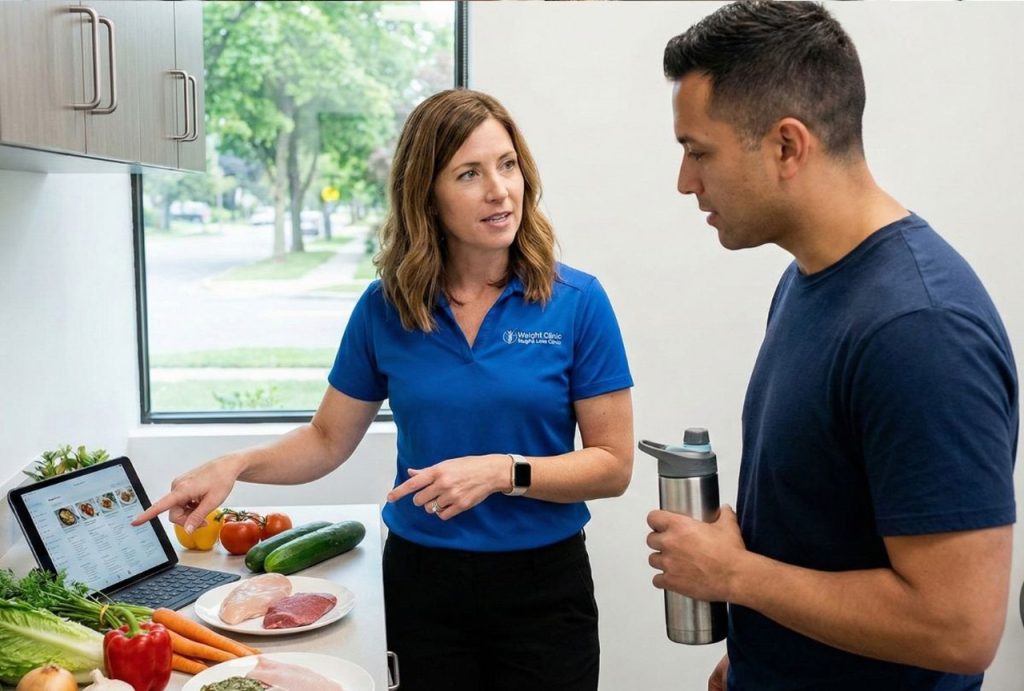
Modern in-person clinics focus on sustainable lifestyle changes rather than quick fixes. They combine medical oversight, nutrition education, behavioral coaching, and personalized strategies that adapt as clients progress. In 2026, most reputable clinics integrate technology while still preserving the human connection that digital platforms struggle to replicate.
Why In-Person Weight Loss Clinics Still Exist in 2026
If virtual programs were enough for everyone, physical clinics would have faded out by now. Instead, they’ve evolved to meet needs that technology alone can’t fully address.
Human Accountability Still Matters
One of the biggest reasons people struggle with weight loss is consistency. Apps can remind you to log meals, but they can’t read your body language, hear frustration in your voice, or notice subtle warning signs of burnout.
In-person check-ins create a level of accountability that feels real. Knowing you’ll sit across from a professional who tracks your progress often motivates better adherence to plans. For many people, especially those who have tried and failed with online programs, this accountability is the missing piece.
Personalized, Real-Time Adjustments
Digital programs rely on algorithms. In contrast, in-person clinics adjust plans based on real-time observations. A coach or clinician can spot issues like:
- Unhealthy weight loss plateaus
- Emotional eating patterns
- Hormonal or metabolic concerns
- Physical limitations affecting exercise
This adaptability can make the difference between temporary results and long-term success.
The Role of Medical Oversight in 2026
Weight loss is not just about willpower. It often involves complex interactions between metabolism, hormones, mental health, and lifestyle.
Clinical Assessments and Monitoring
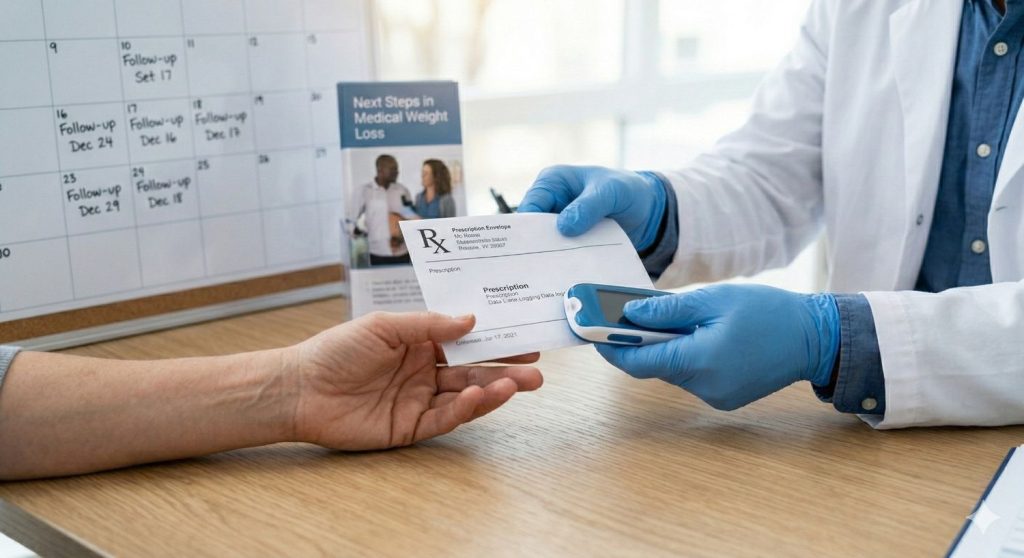
In-person clinics typically start with a comprehensive assessment. This may include body composition analysis, metabolic measurements, and health history reviews. Ongoing monitoring helps ensure that weight loss remains safe and sustainable.
While virtual platforms offer convenience, they usually rely on self-reported data, which can be inaccurate or incomplete.
Support for Medically Complex Cases
For individuals managing conditions such as insulin resistance, thyroid imbalances, or mobility challenges, in-person care provides a higher level of safety. Clinics can coordinate care, make precise adjustments, and intervene quickly if issues arise.
Comparing In-Person Clinics to Virtual Weight Loss Programs
To decide if in-person clinics are worth it, it helps to compare them honestly with virtual alternatives.
Convenience vs. Connection
Virtual programs are undeniably convenient. You can access them anytime, anywhere. However, convenience doesn’t always translate to effectiveness.
In-person clinics require scheduled visits, but those appointments create structure. For many people, that structure is what keeps them committed.
Depth of Support
Most apps provide general guidance. In-person clinics offer layered support, including:
- Nutrition counseling
- Behavioral coaching
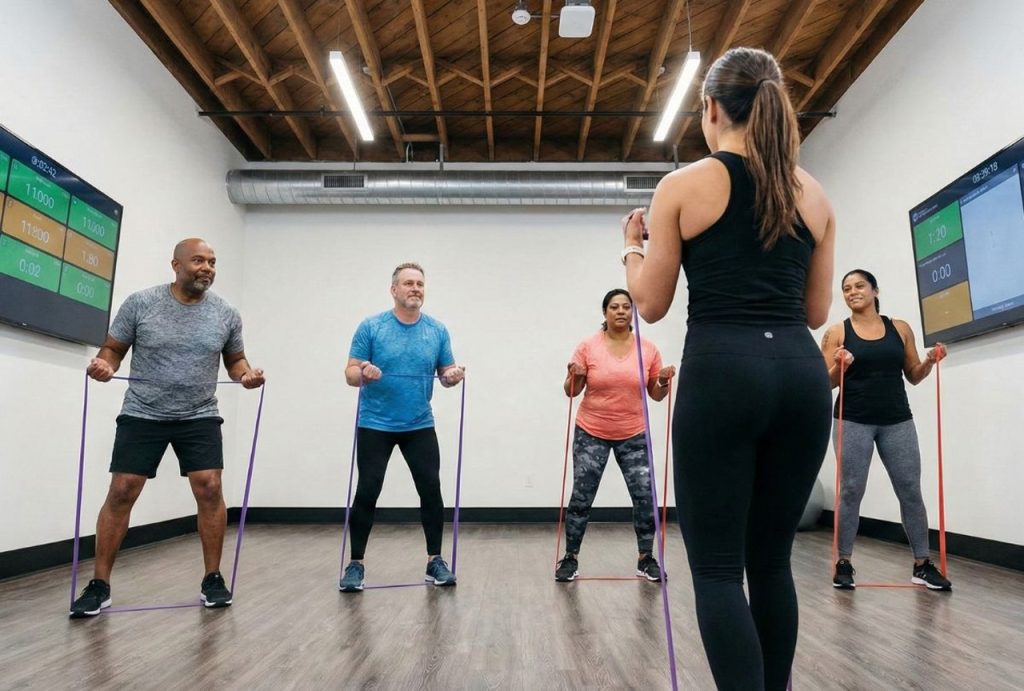
- Physical activity guidance
- Emotional and motivational support
This multi-dimensional approach addresses weight loss as a whole-person journey.
Behavioral Coaching: A Key Advantage of In-Person Care
One area where in-person clinics still excel is behavior change.
Understanding the “Why” Behind Weight Gain
Weight gain is often tied to habits, stress, emotional triggers, and environment. In-person conversations allow professionals to explore these factors in depth.
Subtle cues—hesitation, tone of voice, posture—can reveal challenges clients may not articulate through a screen.
Building Long-Term Skills
Rather than focusing solely on short-term weight loss, in-person clinics emphasize skills such as:
- Mindful eating
- Stress management
- Habit stacking
- Realistic goal setting
These skills are essential for maintaining results long after the program ends.
The Social and Emotional Benefits of Face-to-Face Interaction
Weight loss can be an isolating experience. While online communities exist, they don’t always provide meaningful connection.
Feeling Seen and Supported
In-person clinics offer a sense of belonging. Clients often feel heard, understood, and supported in a way that automated systems can’t replicate.
This emotional reinforcement plays a critical role in sustaining motivation, especially during setbacks.
Reduced Dropout Rates
Studies and clinic data consistently show that people enrolled in structured, in-person programs are less likely to quit prematurely compared to those using self-guided apps.
Cost Considerations in 2026
One of the biggest concerns people have about in-person clinics is cost.
Are In-Person Clinics More Expensive?
Yes, in-person care typically costs more than subscription-based apps. However, the value lies in outcomes, not just price.
Many people spend years cycling through low-cost programs without lasting results. In contrast, a comprehensive clinic program may offer better long-term return on investment by helping clients achieve and maintain their goals.
Value Beyond the Scale
When evaluating cost, consider:
- Reduced health risks
- Improved quality of life
- Increased energy and confidence
- Lower long-term medical expenses
These benefits often outweigh the upfront financial commitment.
Who Benefits Most from In-Person Weight Loss Clinics?
In-person clinics are not for everyone, but they are especially beneficial for certain groups.
Individuals Who Have Tried Everything Else
If you’ve used multiple apps, followed countless diets, and still struggle, in-person care may provide the missing structure and guidance.
People Seeking Sustainable Results
Those who want long-term lifestyle change—not just rapid weight loss—often do better with in-person support.
Clients Who Value Professional Guidance
Some people simply prefer expert-led care and reassurance. In-person clinics provide clarity, credibility, and confidence.
How Clinics Have Adapted to Modern Expectations
To stay relevant in 2026, in-person clinics have embraced innovation.
Hybrid Models
Many clinics now combine face-to-face visits with digital tools such as progress tracking apps, online resources, and virtual check-ins. This hybrid approach offers flexibility without sacrificing personal connection.
Education-Focused Programs
Modern clinics prioritize education, empowering clients to understand their bodies and make informed choices independently.
The Role of NewShape Weight Loss Clinic in the Mid West
Within the Mid West, NewShape Weight Loss Clinic reflects the modern evolution of in-person weight loss care. By focusing on individualized strategies, professional oversight, and ongoing support, clinics like this demonstrate why face-to-face programs still matter in 2026.
Rather than competing with technology, they integrate it thoughtfully while preserving what truly drives success: human connection, accountability, and expertise.
NewShape Weight Loss Clinic Serving the Mid West Community and Beyond in Houston
NewShape Weight Loss Clinic is dedicated to serving the diverse needs of the local community of Houston, including individuals residing in neighborhoods like Mid West. With its convenient location near landmarks such as the Briarmeadow Park and major intersections like Richmond Ave. and Beverly Hill St. (coordinates: 29.73019301718039, -95.50934454470142), we offer weight loss clinic Houston services.
Get Weight Loss Clinic Services At Mid West Now
Navigate from Mid West to NewShape Weight Loss Clinic Now
Are In-Person Weight Loss Clinics Worth It in 2026?
The answer depends on your needs, goals, and past experiences. While digital programs offer convenience and affordability, they don’t replace the depth, accountability, and personalized care of in-person clinics.
For many people in the Mid West, especially those seeking lasting change, in-person weight loss clinics remain not only relevant but highly effective in 2026.
FAQs
1. Are in-person weight loss clinics outdated in 2026?
No. While technology has advanced, in-person clinics have evolved and remain valuable for those who want personalized care and accountability.
2. Can I combine virtual tools with an in-person clinic?
Yes. Many modern clinics use hybrid models that blend digital tracking with face-to-face coaching.
3. Are results better with in-person weight loss clinics?
For many people, yes. In-person programs often lead to higher adherence and more sustainable outcomes.
4. Who should consider an in-person weight loss clinic?
Individuals who have struggled with self-guided programs, want professional oversight, or value personal support benefit the most.
5. Is the higher cost of in-person clinics worth it?
When considering long-term health, consistency, and lasting results, many people find the investment worthwhile.