What Should Patients Expect During Their First GLP-1 Weight Loss Visit?
January 9, 2026
|
NewShape Weight Loss Clinic
Walking into your first GLP-1 weight loss appointment can feel a little like showing up to a new gym on January 1st: you’re motivated… but you’re also thinking, What exactly is going to happen in there? Will I be judged? Will I leave with a plan that actually fits my life?
If you’re in Mid West and you’re considering medication-assisted weight loss, here’s the reassuring truth: a good first visit is usually calm, structured, and surprisingly practical.
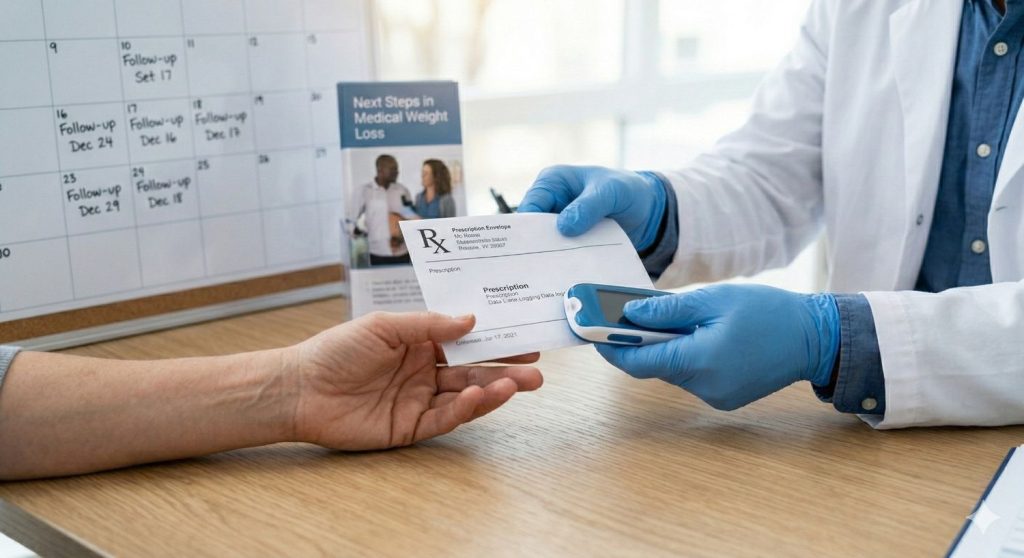
You’ll talk through your health history, goals, and day-to-day reality. You’ll get clarity on whether a GLP-1 medication is appropriate for you. And you’ll walk out understanding the next steps—medically, nutritionally, and logistically.
This guide breaks down what patients can realistically expect during a first GLP-1 visit—especially at NewShape Weight Loss Clinic—so you can show up confident instead of anxious.
Why GLP-1 Visits Feel Different From “Regular” Weight Loss Appointments
Traditional weight loss advice often sounds like a broken record: “Eat less, move more.” Helpful in theory… but not always helpful in practice—especially if hunger, cravings, metabolic risk factors, medications, sleep, stress, or hormones are stacking the deck against you.
A GLP-1 visit is different because it’s medical care, not motivational slogans. The goal isn’t to “try harder.” The goal is to build a plan that makes your biology easier to work with and your habits easier to keep.
GLP-1 Basics in Plain English
GLP-1 medications (often discussed alongside names like semaglutide and tirzepatide) work with the body’s appetite and blood sugar regulation systems. In everyday terms, many patients notice:
- They get full sooner (portion sizes naturally shrink).
- Food “noise” quiets down (less constant thinking about snacks).
- Cravings feel less bossy (you can pause and choose).
- Blood sugar stability often improves (especially for patients with insulin resistance).
It’s not “magic.” It’s more like turning down the volume on the hunger megaphone so you can finally hear your own good intentions again.
Who These Medications Are For (and Who They’re Not)
GLP-1s can be a strong option for adults who meet medical criteria (often based on BMI and/or weight-related health conditions). But they’re not for everyone, and the point of the first visit is to confirm safety and fit.
Common reasons a provider might pause or adjust the plan include certain thyroid histories, pregnancy or trying-to-conceive plans, specific gastrointestinal conditions, or medication interactions. A reputable clinic won’t rush past these details—they’ll treat them like the foundation they are.
Before You Arrive: How to Prepare (Without Stressing Yourself Out)
Your first visit goes smoother when you bring a few basics—but no, you don’t need to show up with color-coded spreadsheets and a three-month meal log.
Documents and Info That Make Your Visit Smoother
Try to have these ready (even if it’s just on your phone):
- A current medication list (including vitamins/supplements)
- Any known allergies
- Relevant medical history (diagnoses, surgeries)
- Recent lab results if you have them (not required, just helpful)
- Your general goal (e.g., “I want to lose 30–40 pounds,” or “I want my A1C down,” or “I want to stop gaining every year”)
If you’re visiting NewShape Weight Loss Clinic in Mid West, the team will guide you through what they need—so think of this as “helpful bonus points,” not homework.
Food, Water, and Meds on Appointment Day
Unless your clinic tells you otherwise, you can usually eat normally. The biggest “day-of” tip is simple: hydrate. Dehydration can make people feel tired, headachy, and anxious—three things you don’t want at a first visit.
If you’re the type who gets nervous, bring water and a small snack. First visits can involve a lot of talking, and nobody makes great decisions while shaky-hungry.
Step 1: The Intake—Your Story, Not a Lecture
Most first visits start with intake questions. This part isn’t meant to interrogate you; it’s meant to understand you. A good clinic wants context, because context shapes the plan.
Weight History and “Pattern Finding”
You’ll likely talk about things like:
- When weight gain started or accelerated
- What’s worked before (even temporarily)
- What made progress hard to maintain
- Your typical daily schedule (work hours, commute, caregiving, sleep)
Here’s the key: providers aren’t just looking at what you ate. They’re looking for patterns—like late-night hunger, stress eating, inconsistent meals, low protein, poor sleep, or medications that may contribute to weight gain.
The Most Common Details Clinics Look For
Expect questions about:
- Hunger levels (all day? only at night?)
- Cravings (sweet? salty? “snacky crunchy”?)
- Sleep quality and duration
- Stress levels and coping habits
- Physical activity (what you do now, what you can realistically do soon)
- Digestive history (reflux, constipation, nausea sensitivity)
It might feel personal—and it is—but it’s not about blame. It’s about building a plan that fits your real life in Mid West, not an imaginary version of you with unlimited time and zero stress.
Step 2: Medical Review—Safety First, Always
Next comes the clinical part: making sure a GLP-1 is appropriate and safe for you.
Conditions That Change the Plan
Your provider may ask specifically about:
- Blood sugar concerns (prediabetes, type 2 diabetes)
- Blood pressure, cholesterol, fatty liver history
- Kidney or liver conditions
- Thyroid history (including family history of certain thyroid cancers)
- History of pancreatitis or gallbladder issues
- Reflux, slow digestion, severe constipation, or other GI conditions
- Pregnancy, breastfeeding, or near-term plans to conceive
Don’t be surprised if the provider gets very detailed here. Think of it like a pilot checking the plane before takeoff—no shortcuts, no guessing.
Medication Review and Interaction Check
This is where you should mention everything—even the “tiny” stuff. Some medications can influence appetite, weight, blood sugar, or GI function. If you’re on diabetes medications, your provider may need to adjust doses to reduce low-blood-sugar risk as appetite and intake change.
A strong first visit leaves you feeling safe, informed, and supervised—not like you’re experimenting alone.
Step 3: Measurements and Body Composition (What They Mean)
Yes, you’ll probably step on a scale. But good clinics don’t treat the scale like a personality test.
Depending on the practice, you may also have:
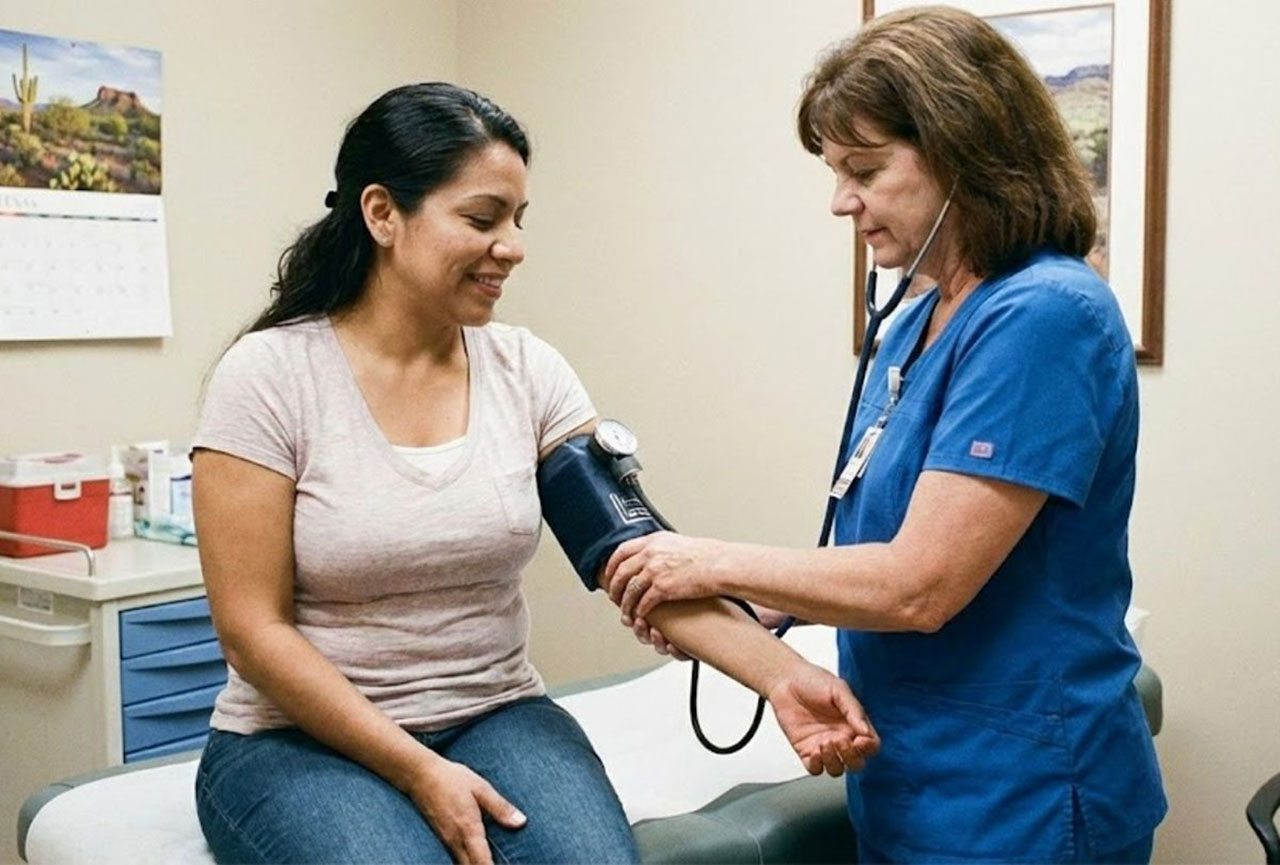
- Blood pressure, pulse, and basic vitals
- Waist measurement
- Body composition estimate (where available)
Why Waist and Vitals Matter
Waist measurement can be a useful proxy for visceral fat risk. Vitals help set a baseline and track improvements that often matter more than the number on the scale—like better blood pressure, improved energy, and reduced inflammation over time.
In other words: the scale is a data point. Not a verdict.
Step 4: Labs—What Might Be Ordered and Why
Many GLP-1 programs include lab work either at the first visit or shortly after. Labs help confirm medical safety, identify hidden barriers, and set measurable baselines.
Metabolic and Hormone Checkpoints
Common lab categories include:
- A1C and/or fasting glucose (blood sugar trends)
- Lipid panel (cholesterol and triglycerides)
- Liver enzymes (metabolic liver stress can show up here)
- Kidney function (important for medication safety planning)
- Thyroid markers (when clinically appropriate)
When Labs Aren’t Needed Right Away
If you have recent, relevant labs and your medical history is straightforward, your provider may not repeat everything immediately. The goal isn’t to “order tests for fun.” It’s to practice evidence-based care.
Step 5: Your Personalized Plan (Not a Cookie-Cutter Handout)
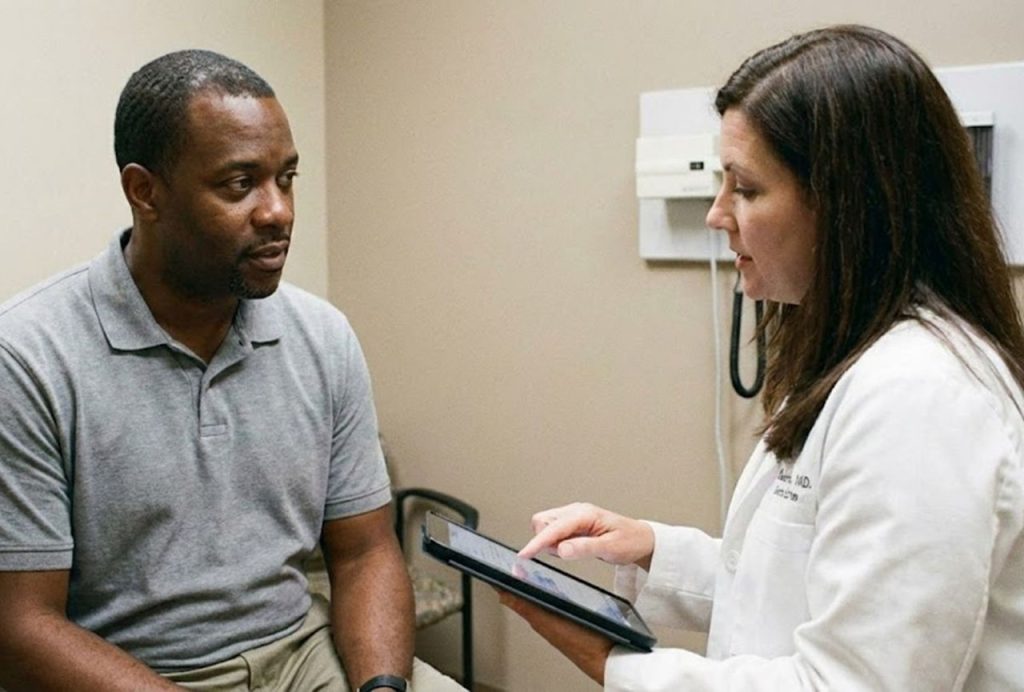
This is where the visit becomes really worth it: you discuss the plan you’ll actually follow, not the plan that looks good on paper.
Picking the Right GLP-1 (and Setting Expectations)
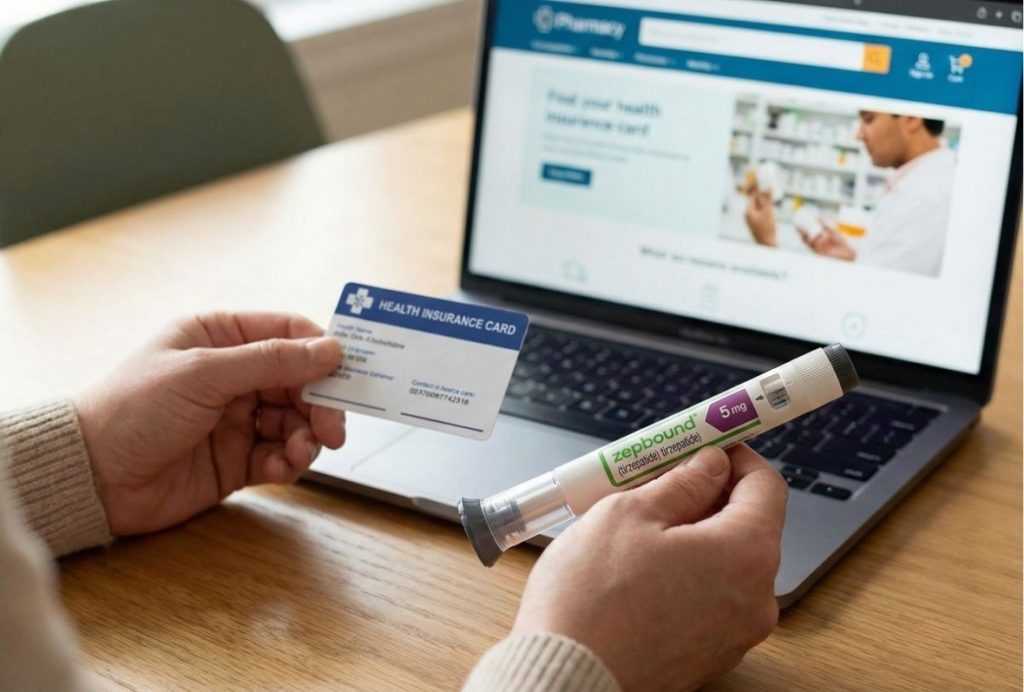
Your provider will discuss which medication path is appropriate, how it’s administered (often a weekly injection), and what your timeline could look like.
Realistic expectations matter. Many patients feel appetite changes early, but steady results often build over weeks and months—especially as the dose is increased gradually.
What “Slow and Steady” Really Looks Like
Think of GLP-1 progress like steering a ship, not snapping your fingers. Early on, your body is adapting. Over time, you’ll typically see a rhythm like:
- Appetite quieting
- More consistent portion control
- Easier meal timing
- Improved food choices without white-knuckling it
- Gradual, cumulative weight change
If someone promises instant, effortless transformation, treat that like a red flag. An authoritative clinic sets honest expectations—and then supports you through the process.
Step 6: How Dosing Works (and Why Starting Low Is the Point)
Most GLP-1 medications follow a start low, increase slowly approach. That’s not being cautious for no reason—it’s how you improve tolerability and reduce side effects.
What Happens If Side Effects Show Up
Common side effects can include nausea, constipation, reflux, or fatigue—especially during dose changes. A well-run clinic will talk through a plan like:
- Adjusting meal size and meal composition
- Hydration and electrolyte strategies
- Fiber and constipation prevention support
- Slowing titration if your body needs more time
At NewShape Weight Loss Clinic, patients in Mid West often appreciate that the process is treated like a guided program—not a “good luck, see you later” prescription moment.
Nutrition During GLP-1: The “Small Plate, Big Protein” Era
Here’s a surprise for many first-time GLP-1 patients: eating less is easier, but eating well still matters. When appetite drops, nutrition needs to get more intentional—not more complicated.
Most clinics emphasize:
- Protein first (to support muscle and satiety)
- Fiber (to support digestion and fullness)
- Hydration (because low intake can mean low fluids too)
- Meal rhythm (so you don’t accidentally under-eat and then crash later)
What to Eat When You’re Not Hungry
This is one of the most common first-month challenges: “I’m not hungry… so I forget to eat… then I feel weird.” Totally normal. Helpful strategies include:
- Use “protein anchors” (yogurt, eggs, chicken, tofu, protein shakes—easy wins)
- Think mini-meals instead of big plates
- Prioritize breakfast or lunch if evenings are unpredictable
- Keep “gentle foods” around for sensitive days (soups, smoothies, soft proteins)
A Simple “First Week” Grocery List
- Greek yogurt or high-protein yogurt
- Eggs / egg bites
- Lean turkey or rotisserie-style chicken
- Cottage cheese (if you tolerate it)
- Protein shakes (simple ingredients)
- Oatmeal + berries
- Bananas or applesauce cups
- Baby carrots / cucumbers / leafy greens
- Broth-based soups
- Electrolyte packets (helpful if you’re prone to headaches)
No perfection required—just a calm system that supports you while your appetite cues shift.
NewShape Weight Loss Clinic Serving the Mid West Community and Beyond in Houston
NewShape Weight Loss Clinic is dedicated to serving the diverse needs of the local community of Houston, including individuals residing in neighborhoods like Mid West. With its convenient location near landmarks such as the Briarmeadow Park and major intersections like Richmond Ave. and Beverly Hill St. (coordinates: 29.73019301718039, -95.50934454470142), we offer GLP-1 medications Houston services.
Get GLP-1 Medications At Mid West Now
Navigate from Mid West to NewShape Weight Loss Clinic Now
Conclusion
Your first GLP-1 weight loss visit should feel like the start of a supported process: careful safety screening, a realistic plan, and clear expectations.
If you’re in Mid West and considering care through NewShape Weight Loss Clinic, go in with two goals—be honest about your history, and ask the questions you’ve been holding back. When you’re properly guided, this doesn’t feel like another “diet attempt.” It feels like a smarter system that finally meets you where you are.
FAQs
1) Will I get a GLP-1 prescription at my very first visit?
Sometimes. If you’re a safe candidate and you don’t need additional labs or records, it may be started quickly. If more medical information is needed, your provider may stage the process for safety.
2) Do I have to “diet” hard for GLP-1s to work?
No—and honestly, extreme dieting often backfires. Most patients do best with protein-forward meals, hydration, and consistent eating patterns rather than aggressive restriction.
3) What if I’m nervous about injections?
You’re not alone. Many patients are surprised by how small the needle is and how straightforward the process becomes after coaching. Clinics typically teach technique and offer tips to make it easier.
4) How soon will I feel appetite change?
Some patients notice changes within days, others within a few weeks—especially as dosing titrates. Either timeline can be normal.
5) What happens if I get nausea or constipation?
Your clinic should give you a prevention and relief plan (meal size, hydration, fiber, and pacing dose increases). Side effects are often manageable when addressed early.