
How Is Medical Weight Loss Different From Dieting Alone?
January 15, 2026
|
NewShape Weight Loss Clinic
Losing weight is a deeply personal journey, and for many people in Gulfton, it can feel frustrating when diet after diet fails to deliver lasting results.
You may have tried calorie counting, cutting carbs, intermittent fasting, or even the latest trending diet, only to regain the weight later. This cycle often leaves people wondering whether there is a more effective, sustainable approach to weight loss.
Medical weight loss is increasingly being recognized as a powerful alternative to dieting alone. Instead of relying solely on willpower and food restriction, medical weight loss combines medical expertise, science-backed treatments, and personalized care to address the root causes of weight gain. At NewShape Weight Loss Clinic, individuals receive professional guidance designed to support not just weight loss, but long-term health and confidence.
In this in-depth article, we will explore how medical weight loss differs from dieting alone, why dieting often falls short, and how a medically supervised approach can transform the way you lose and maintain weight.

Understanding Dieting Alone
Dieting alone typically refers to self-directed attempts to lose weight by changing food intake or eating patterns. These efforts are usually based on popular diet plans, online advice, or general nutritional guidelines.
Common Types of Dieting
Many people experiment with different dieting methods, including:
- Low-calorie diets
- Low-carb or ketogenic diets
- Low-fat diets
- Intermittent fasting
- Meal replacement shakes
- Clean eating or whole-food diets
While these approaches can produce short-term results, they often fail to deliver long-term success for many individuals.
Why Dieting Alone Often Falls Short
Dieting alone focuses primarily on food choices and calorie intake, but it often overlooks several critical factors:
- Hormonal imbalances that affect hunger and metabolism
- Medical conditions that make weight loss more difficult
- Emotional eating and stress-related behaviors
- Genetic predispositions to weight gain
- Slowed metabolism from repeated dieting
Without addressing these underlying issues, weight loss can stall or reverse, leading to frustration and burnout.
What Is Medical Weight Loss?
Medical weight loss is a physician-guided approach that uses medical assessments, customized plans, and ongoing supervision to help individuals lose weight safely and effectively.
Unlike dieting alone, medical weight loss treats obesity and weight gain as complex health conditions rather than simple lifestyle choices. This approach recognizes that weight loss is influenced by biology, behavior, environment, and mental health.
The Medical Weight Loss Process
A medical weight loss program typically includes:
- A comprehensive health evaluation
- Personalized nutrition planning
- Medical-grade appetite control options when appropriate
- Lifestyle and behavioral coaching
- Regular monitoring and adjustments
At NewShape Weight Loss Clinic, this structured process allows each person to receive care that is tailored to their unique needs, goals, and health history.
Key Differences Between Medical Weight Loss and Dieting Alone
A Personalized Approach vs One-Size-Fits-All Diets
Dieting alone often relies on generic plans that are designed for the masses. These plans rarely account for individual differences in metabolism, hormones, or medical history.
Medical weight loss begins with a detailed evaluation. This may include reviewing:
- Current weight and body composition
- Medical conditions such as diabetes or thyroid disorders
- Medications that may impact weight
- Lifestyle habits and stress levels
From this information, a personalized plan is created that aligns with your body, not against it.
Medical Supervision and Safety
One of the biggest advantages of medical weight loss is professional supervision. Dieting alone can sometimes lead to:
- Nutrient deficiencies
- Extreme calorie restriction
- Muscle loss
- Fatigue and dizziness
Medical supervision ensures that weight loss happens safely. Health markers are monitored, progress is tracked, and adjustments are made as needed. This reduces risks and increases the likelihood of sustainable results.
Addressing the Root Causes of Weight Gain
Dieting alone treats weight gain as a surface-level issue. Medical weight loss looks deeper.
Hormonal Balance
Hormones play a major role in hunger, fullness, and fat storage. Imbalances can make it extremely difficult to lose weight through dieting alone. Medical weight loss programs can identify and address these challenges.
Metabolism Support
Repeated dieting can slow metabolism over time, making weight loss harder with each attempt. Medical weight loss strategies are designed to support metabolic health instead of undermining it.
Appetite and Craving Management
Many people struggle with constant hunger while dieting. White-knuckling through cravings often leads to binge eating or quitting altogether.
Medical weight loss may include tools to help regulate appetite and reduce cravings when appropriate. These tools are used responsibly under medical guidance, helping individuals feel more in control and less deprived.
The Psychological Side of Weight Loss
Emotional and Behavioral Support
Dieting alone rarely addresses emotional eating, stress eating, or habits developed over years. Medical weight loss programs often incorporate behavioral coaching to help individuals:
- Identify emotional triggers
- Develop healthier coping strategies
- Build consistent routines
- Improve their relationship with food
This support is essential for long-term success.
Building Confidence and Motivation
When weight loss efforts are guided and measurable, confidence tends to grow. Seeing progress supported by medical insight can be incredibly motivating and empowering.
Long-Term Results vs Short-Term Fixes
Sustainability Matters
Many diets promise quick results but fail to deliver lasting change. Medical weight loss focuses on sustainability by:
- Teaching practical nutrition habits
- Encouraging gradual lifestyle changes
- Supporting maintenance after weight loss
This approach helps individuals avoid the yo-yo effect that often accompanies dieting alone.
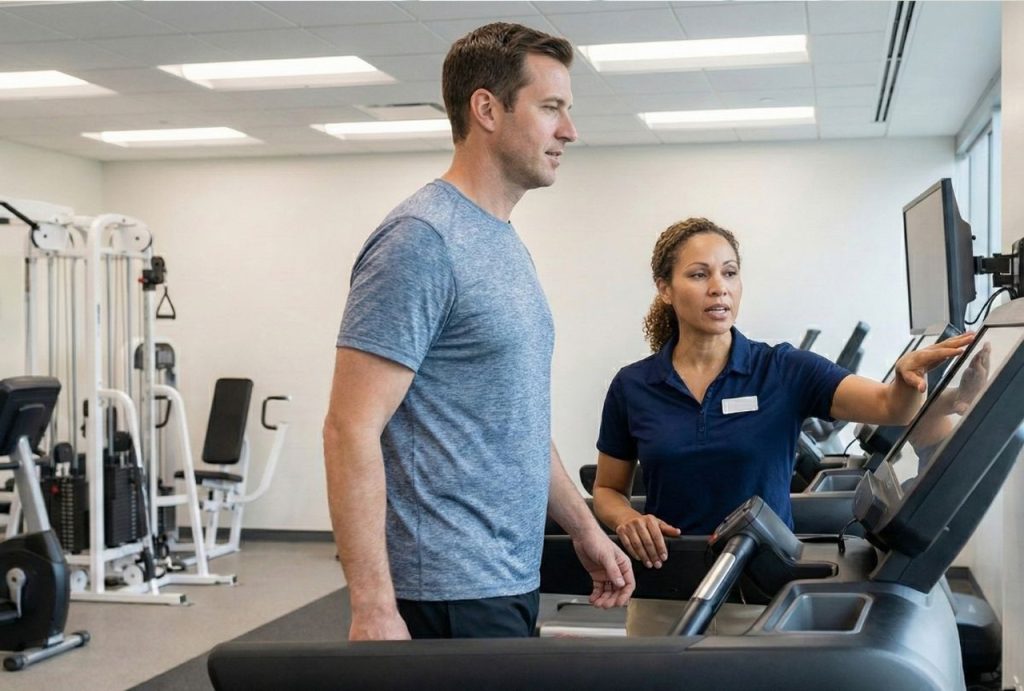
Ongoing Monitoring and Adjustments
Weight loss is not linear. Plateaus and setbacks happen. With dieting alone, these challenges often lead to giving up.
Medical weight loss includes regular check-ins, allowing providers to:
- Adjust plans as your body changes
- Address plateaus strategically
- Offer accountability and encouragement
This ongoing support makes a significant difference in outcomes.
Why Medical Weight Loss Is Especially Helpful for Busy Lifestyles
In neighborhoods like Gulfton, balancing work, family, and personal responsibilities can make dieting alone feel overwhelming. Medical weight loss programs simplify the process by offering:
- Clear guidance
- Structured plans
- Professional accountability
Instead of constantly questioning what to eat or whether you are doing it right, you can follow a plan designed specifically for you.
Who Can Benefit Most From Medical Weight Loss?
Medical weight loss may be particularly beneficial for individuals who:
- Have struggled with repeated diet failures
- Experience weight-related health concerns
- Feel stuck despite healthy eating and exercise
- Want professional support and accountability
It is not about taking shortcuts; it is about using evidence-based tools to work smarter, not harder.
The Role of NewShape Weight Loss Clinic
NewShape Weight Loss Clinic provides a comprehensive approach that goes beyond dieting alone. By combining medical insight with compassionate care, the clinic helps individuals navigate weight loss with confidence and clarity.
The goal is not just to lose weight, but to improve overall well-being, energy levels, and quality of life.
Making the Choice Between Dieting and Medical Weight Loss
Choosing between dieting alone and medical weight loss depends on your goals, challenges, and past experiences. If dieting has repeatedly left you frustrated, discouraged, or stuck, medical weight loss may offer the structured, supportive approach you have been missing.
By addressing both the physical and psychological aspects of weight loss, medical programs create a path that is more realistic and sustainable for many people.
NewShape Weight Loss Clinic Serving the Gulfton Community and Beyond in Houston
NewShape Weight Loss Clinic is dedicated to serving the diverse needs of the local community of Houston, including individuals residing in neighborhoods like Gulfton. With its convenient location near landmarks such as the Bellaire-Zindler Park and major intersections like Gulfton St. and Rampart St. (coordinates: 29.716703999287475, -95.48863238108788), we offer medical weight loss Houston services.
Get Medical Weight Loss Services At Gulfton Now
Navigate from Gulfton to NewShape Weight Loss Clinic Now
Final Thoughts
Weight loss is not a simple equation of eating less and moving more. It is influenced by biology, habits, emotions, and health conditions. While dieting alone can work for some, many individuals need a more comprehensive approach to achieve lasting success.
Medical weight loss stands apart by offering personalized care, medical supervision, and long-term support. For those in Gulfton seeking a healthier, more sustainable path forward, working with professionals can make all the difference.
FAQs
1. Is medical weight loss only for people with a lot of weight to lose?
No. Medical weight loss can benefit individuals at various stages of their weight loss journey, including those who need help breaking through plateaus or maintaining results.
2. Will I still need to change my diet with medical weight loss?
Yes. Nutrition is a core part of medical weight loss, but the plan is customized and supported by medical guidance rather than strict, generic rules.
3. Is medical weight loss safe?
When supervised by qualified professionals, medical weight loss is designed with safety as a top priority, including regular monitoring and adjustments.
4. How is medical weight loss different from quick-fix weight loss solutions?
Medical weight loss focuses on long-term health and sustainable results rather than rapid, temporary weight loss.
5. Can medical weight loss help if I have tried many diets before?
Absolutely. Medical weight loss is often most effective for individuals who have struggled with dieting alone and want a more structured, science-based approach.