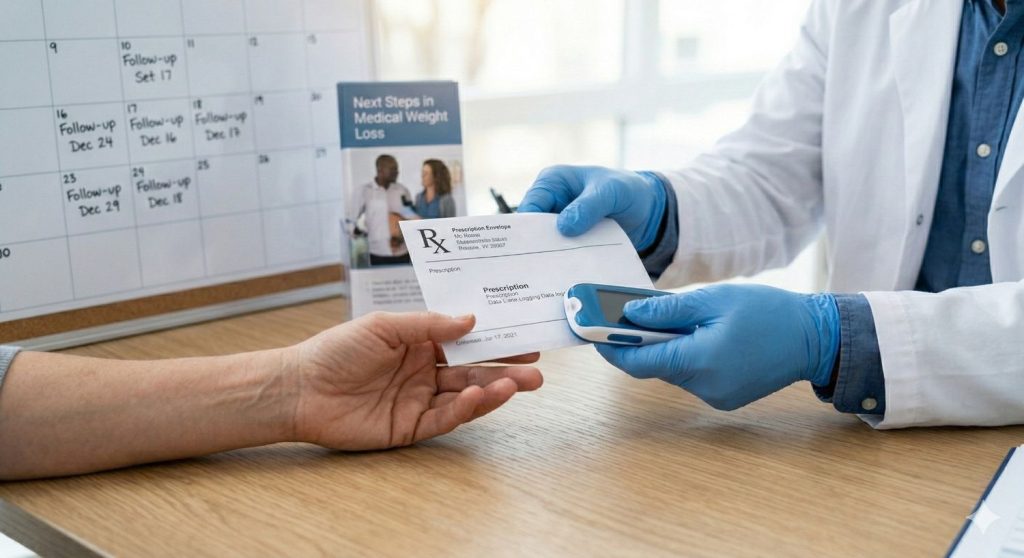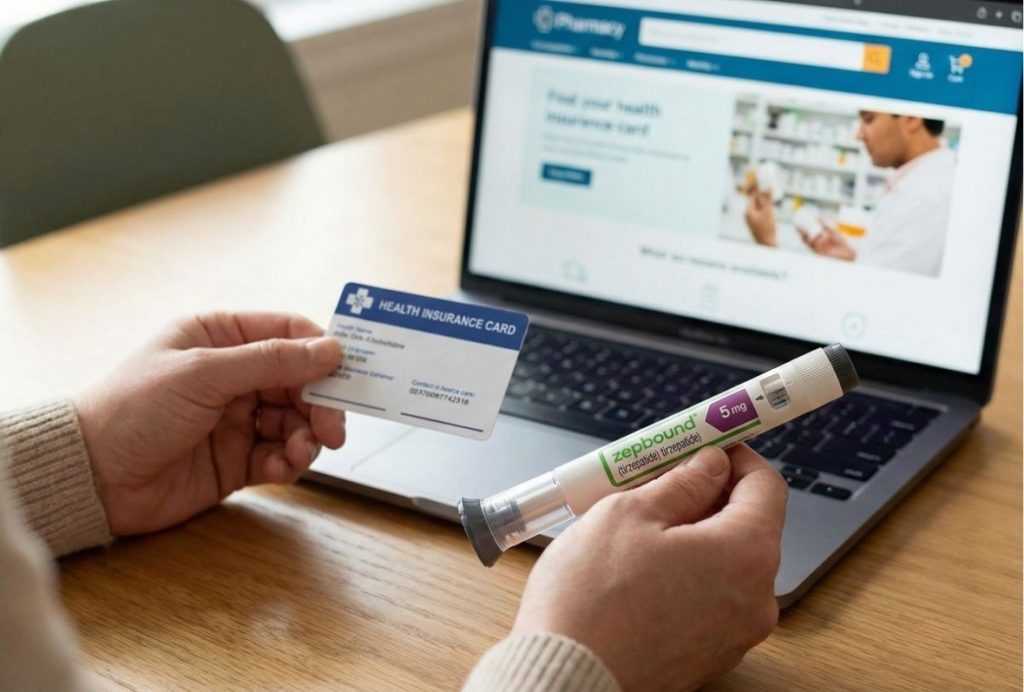
Can GLP-1 Medications Fit Into a Busy Lifestyle?
January 12, 2026
|
NewShape Weight Loss Clinic
If your calendar looks like a game of Tetris—work blocks slammed next to errands, family obligations, social plans, and that one appointment you forgot you agreed to—then you already know the problem with most “weight loss advice.” It assumes you have time. Time to cook. Time to track. Time to plan. Time to be perfectly consistent.
But what if your lifestyle is busy on a good week… and chaotic on a normal one?
That’s where GLP-1 medications often enter the conversation. Not as a magic wand, and definitely not as a shortcut you “don’t deserve,” but as a medical tool that can make healthy choices feel less like a wrestling match.
The real question isn’t whether GLP-1s work in a lab. It’s whether they can work when you’re running a life—especially in a walkable, schedule-packed neighborhood like Larchmont where your day can pivot fast from “quick coffee” to “how is it already 3 PM?”
Let’s break it down in a real-world way—how GLP-1 meds can fit into a busy lifestyle, what you need to plan for, and how a clinic like NewShape Weight Loss Clinic can help you do this safely and sustainably.
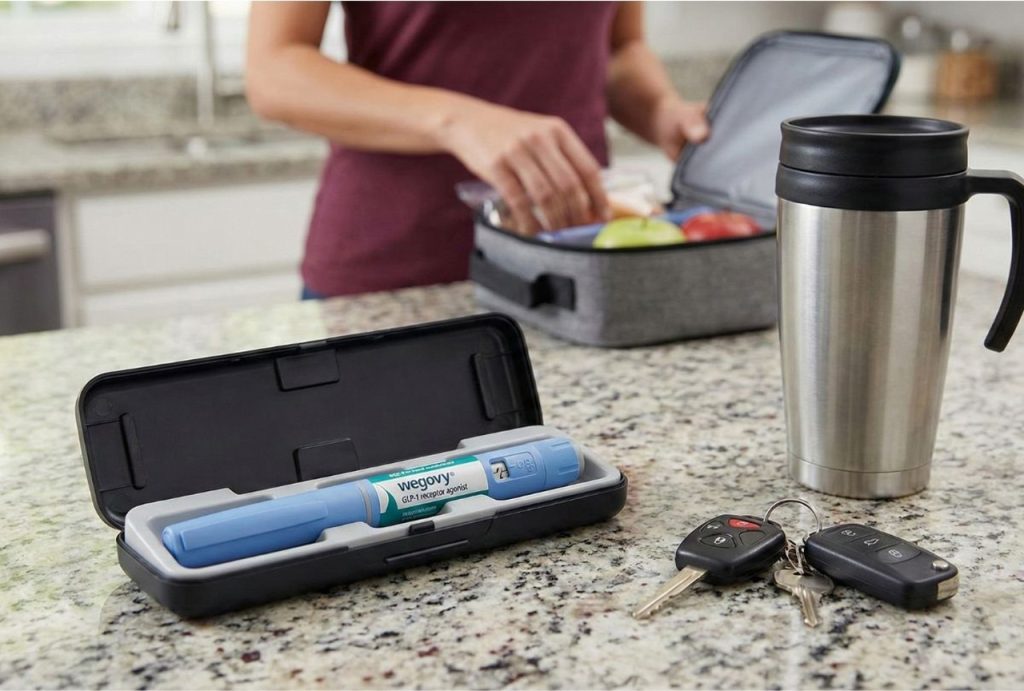
Why This Question Matters in Larchmont
Busy lifestyles don’t fail because people are lazy. They fail because they’re overloaded.
When your day is packed, you’re more likely to:
- Skip meals, then get hit with “ravenous o’clock” later
- Grab convenience foods (because you need calories now)
- Eat fast (because you’re multitasking) and miss fullness cues
- Make decisions while stressed and tired (hello, impulsive snack spiral)
And here’s the sneaky part: the more times you “mess up,” the more you assume you’re the problem. But often, the system is the problem. GLP-1 medications can change the system by changing the intensity of hunger signals and cravings—so your choices don’t require superhero-level willpower at 9:30 PM.
GLP-1s in Plain English
GLP-1 medications are prescription treatments that mimic (or amplify) a natural hormone involved in appetite regulation and blood sugar control. In everyday terms, they can help you feel full sooner, stay full longer, and experience fewer “I need something sweet right now” moments.
They’re commonly discussed in the context of weight management and metabolic health. Specific medications and dosing schedules vary, and candidacy depends on your medical history—so this is always a clinician-guided decision, not a DIY project.
The “Hunger Volume Knob” Analogy
Imagine your hunger is controlled by a volume knob. For some people, that knob is cranked to max volume all day—so even after eating, hunger comes back loud and fast. GLP-1 medications often turn that volume down.
You still eat. You still enjoy food. But the constant background noise of cravings may quiet down, which can be a game-changer when your brain is already juggling a thousand things.
More Than Appetite: Blood Sugar + Satiety
GLP-1s aren’t only about eating less. They can also improve satiety signaling and support steadier blood sugar—two factors that can reduce energy crashes and “snack emergencies.” When your energy is steadier, your day feels easier. And when your day feels easier, your health habits stop feeling like punishment.
Who Might Be a Good Candidate
GLP-1 medications may be considered for people who have struggled to lose weight through lifestyle changes alone, especially if there are weight-related health concerns. But “good candidate” doesn’t just mean a number on a scale—it means the medication matches your biology, goals, and safety profile.
Clinical screening typically considers:
- Current health conditions and medications
- Weight history and metabolic markers
- Side effect risk and contraindications
- Lifestyle and ability to follow up
Goals That Fit Real Life (Not Fantasy Life)
One of the biggest wins for busy people is setting goals that don’t require perfection. Instead of “I’ll cook every meal and never snack,” think:
- “I’ll hit a protein target most days.”
- “I’ll stop eating when I’m satisfied, not stuffed.”
- “I’ll walk in small chunks and strength train twice a week.”
GLP-1s tend to work best when they support a realistic routine—not when they’re expected to replace one.
Busy-Person Benefits (And Tradeoffs)
Let’s keep it honest: there are upsides and responsibilities.
Decision Fatigue Reduction
Decision fatigue is real. By late afternoon, you’ve already made hundreds of choices—what to answer, what to prioritize, who needs what, what’s on fire now. When hunger and cravings are intense, they become one more loud demand on your attention.
Many people on GLP-1s report that food takes up less mental space. When cravings quiet down, it becomes easier to:
- Stop at “enough”
- Skip random snacking
- Choose foods that actually fuel you
And that matters in a busy lifestyle because you don’t have extra energy for constant negotiation with your pantry.
The Time Tax: Refills, Follow-ups, Learning Curves
GLP-1s can reduce the daily friction of appetite—but they add a different kind of responsibility. You’ll likely need:
- Regular medical follow-ups
- Monitoring for side effects
- Adjustments over time
- A plan for nutrition and hydration
This is where structure helps. A clinic that understands busy schedules—like NewShape Weight Loss Clinic—can make the process smoother, so you’re not trying to figure everything out between meetings.
Picking a Plan That Doesn’t Break Your Calendar
Fitting GLP-1s into a busy lifestyle is less about motivation and more about systems. You want a routine that survives real life: late nights, early mornings, last-minute changes, and days that don’t go as planned.
Weekly vs Daily: The Routine Fit
Some GLP-1 medications are taken weekly, others daily. From a lifestyle perspective, weekly dosing often feels like the “set-it-and-forget-it” option—less frequent, easier to anchor to a weekly ritual. Daily dosing can still work well, but it typically requires a stronger habit loop.
Habit Stacking Examples
Habit stacking means attaching a new habit to something you already do automatically. Examples:
- “I take my dose after my Sunday reset (laundry + planning).”
- “I do it right after brushing my teeth.”
- “I pair it with my weekly grocery order.”
The goal is to remove decision-making. If you have to “remember,” you’ll forget—because you’re human and your life is busy.
The First 4 Weeks: What To Expect
The early phase is where most busy people either (1) build momentum or (2) get annoyed and quit. Not because the medication “doesn’t work,” but because the adjustment period collides with an already packed schedule.
Common early experiences can include reduced appetite and earlier fullness. Some people also experience side effects—often gastrointestinal—especially during dose changes. That’s why medical guidance matters. You want a plan that anticipates problems before they wreck your week.
Nausea-Proofing Your Mornings
If you’re the type to roll out of bed and sprint into your day, nausea can feel like a rude interruption. Practical strategies many clinicians recommend include:
- Eat smaller meals more often (at least during adjustment)
- Avoid very greasy, heavy foods early in the day
- Hydrate consistently (think “sip schedule,” not chugging)
- Slow down eating speed—even a little helps
A simple rule: don’t let “busy” turn into “empty stomach all day.” That pattern can backfire hard.
Constipation, Reflux, Fatigue: Quick Fix Framework
Here’s a busy-friendly way to think about common issues—like a decision tree:
- If constipation shows up: increase fluids, add fiber gradually, keep protein balanced, and move daily (even short walks).
- If reflux shows up: reduce large late meals, avoid lying down after eating, watch trigger foods, and eat slower.
- If fatigue shows up: make sure you’re not under-eating protein and overall calories; prioritize sleep; discuss dosing adjustments with your clinician if needed.
Important: persistent or severe symptoms deserve medical attention. Don’t “push through” and hope for the best—especially if it affects hydration or your ability to eat.
Meal Strategy for People Who Don’t Meal Prep
Let’s be real: meal prep is great… for people who actually do it. If your schedule laughs at the idea of lining up identical containers in the fridge, you need a different approach—one that works even when you’re grabbing something quickly around Larchmont.
The Protein Anchor Rule
Build meals around a protein anchor. Protein helps with fullness, supports muscle, and reduces the odds you’ll be hungry an hour later. Your job is to ask one question:
“What’s the protein here?”
Examples of protein anchors (choose what fits your preferences):
- Eggs or egg bites
- Greek yogurt or cottage cheese
- Chicken, turkey, fish, tofu, tempeh
- Beans + lentils (especially paired with grains)
Once the protein is set, add:
- Fiber (fruit/veg/whole grains)
- A little fat (nuts, olive oil, avocado) for satisfaction
Simple. Repeatable. Busy-proof.
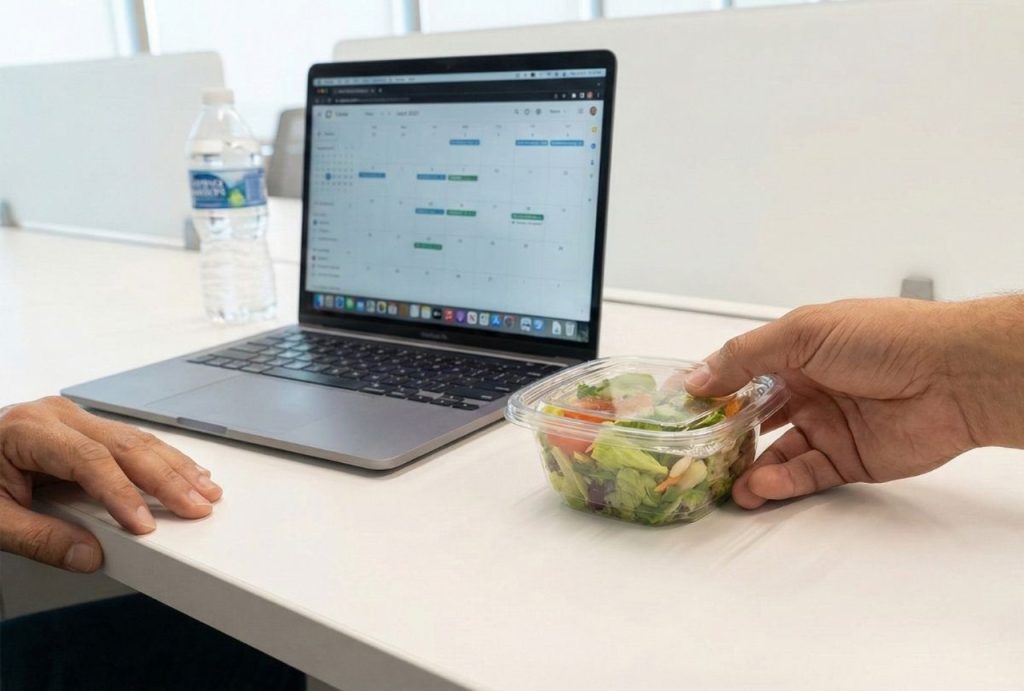
The 3-Bite Pause
GLP-1s can make fullness arrive earlier—but if you eat like you’re racing a stopwatch, you might miss the signal and overshoot. Try this: after three bites, pause for one slow breath. That’s it.
It sounds almost silly, but it creates a micro-gap where your brain can register, “Oh, I’m actually fine.” This is especially useful during meetings, events, or “standing up while eating” moments.
Grab-and-Go Options Around Larchmont
No city name, no complicated lists—just patterns you can use almost anywhere locally:
- Choose protein-first bowls/salads (ask for extra protein if needed).
- Pick grilled/roasted options over fried when possible.
- If you’re doing a sandwich/wrap, prioritize lean protein + vegetables, and consider half now, half later if fullness hits fast.
- For quick breakfast, aim for high-protein + fruit instead of pastry-only.
The point isn’t restriction. The point is preventing the “I ate nothing useful and now I’m starving” boomerang later.
Workdays, Meetings, and Long Errand Runs
Busy days can create a weird pattern on GLP-1s: you’re not hungry, so you skip food… until you suddenly are. And by then, your options are limited and your patience is gone.
Emergency Snacks That Actually Help
Keep a small “adult lunchbox insurance policy” handy. Think portable, stable, protein-forward:
- A protein shake you tolerate well
- Nuts paired with fruit
- Shelf-stable protein options that fit your preferences
What to avoid when possible: snacks that are mostly sugar on an empty stomach, because they can spike-and-crash and make you feel worse.
A practical goal for busy people: don’t go from 0 to 100. Even a small, balanced intake can prevent a chaotic evening.
Travel, Events, and Eating Out
One fear people have is, “If I start this medication, do I have to give up my social life?” No. But you may need a few new strategies so you can enjoy events without feeling uncomfortable (physically or mentally).
Restaurant Ordering Scripts
Scripts are helpful because they remove decision fatigue. Try these:
- “I’ll start with a protein and veggies, and we’ll see if I want more.”
- “Can I get the sauce on the side?”
- “Half portion if possible—otherwise I’ll box half right away.”
GLP-1s often make portions feel bigger than they used to. Boxing early isn’t “diet behavior”—it’s comfort behavior. Your body is giving you a new volume setting; your job is to listen.
NewShape Weight Loss Clinic Serving the Larchmont Community and Beyond in Houston
NewShape Weight Loss Clinic is dedicated to serving the diverse needs of the local community of Houston, including individuals residing in neighborhoods like Larchmont. With its convenient location near landmarks such as Anderson Park and major intersections like Beverly Hill St. and Bering Dr. (coordinates: 29.73019301718039, -95.47827525529857), we offer GLP-1 medications Houston services.
Get GLP-1 Medications Services At Larchmont Now
Navigate from Larchmont to NewShape Weight Loss Clinic Now
Conclusion
So—can GLP-1 medications fit into a busy lifestyle? Yes, they can, especially when you treat them like a tool that supports a system, not a solo solution you set and forget.
The people who do best usually aren’t the most “disciplined.” They’re the most strategic: they build routines that survive chaos, prioritize protein and hydration, protect their muscle with strength training, and stay connected to clinician guidance when adjustments are needed.
If your days in Larchmont are full and you want a plan that’s medically guided, practical, and built for an actual adult schedule, NewShape Weight Loss Clinic can help you approach GLP-1 treatment with structure, safety, and momentum—without turning your life upside down.
FAQs
1) Can I take GLP-1 medication if my schedule is unpredictable?
Often, yes—many people with unpredictable schedules do well when they use routine anchors (habit stacking), keep emergency snacks available, and follow a clinician-guided plan for side effects and dose timing.
2) Will GLP-1s make me “forget to eat” and feel weak during busy days?
They can reduce appetite, which is helpful—but under-eating protein and overall calories can lead to fatigue. A protein-first approach and planned mini-meals can prevent the energy crash that busy people hate most.
3) Do I have to meal prep for GLP-1s to work?
No. Meal prep can help, but it’s not required. What matters more is a simple strategy—like the protein anchor rule—and having reliable grab-and-go patterns that keep you nourished without overthinking.
4) What’s the biggest mistake busy people make when starting GLP-1s?
Skipping meals all day because they’re “not hungry,” then overeating later or feeling miserable. The fix is a steady baseline: protein, hydration, and small structured intake even on hectic days.
5) Can I still enjoy eating out and social events?
Yes. Most people just need new pacing and portion habits—like boxing half early, choosing lighter preparations if nausea/reflux is an issue, and paying attention to fullness cues that may show up sooner than expected.