What BMI Is Required For GLP 1
February 15, 2026
|
NewShape Weight Loss Clinic
GLP-1 medications have become a game-changer in weight management, especially for people struggling to lose weight despite diet and exercise efforts. If you’re curious about this therapy, one of the first questions that comes to mind is: what BMI qualifies someone for GLP-1 treatment?
Understanding BMI requirements is key to determining if GLP-1 therapy could be the right solution for you. In Houston, clinics like NewShape Weight Loss Clinic specialize in providing guidance and personalized care for patients considering this treatment.
Understanding GLP-1 Medications
GLP-1 stands for glucagon-like peptide-1, a hormone naturally produced in the gut. It has a major influence on appetite, blood sugar, and digestion. GLP-1 medications are designed to mimic this hormone, helping your body regulate hunger and metabolism more effectively.
These medications have gained immense popularity because they offer more than just weight loss, they provide metabolic benefits and improve overall health markers.
What GLP-1 Does in the Body
Imagine GLP-1 as your body’s natural traffic controller. It slows down the movement of food through your stomach, making you feel full longer. At the same time, it communicates with your brain to reduce cravings and signals the pancreas to release insulin when blood sugar rises.
This dual action makes it effective for weight loss and blood sugar regulation, which is especially helpful for people with obesity or type 2 diabetes.
Common GLP-1 Medications
Several GLP-1 medications are now widely available. The most commonly prescribed include semaglutide and liraglutide, sold under brand names like Ozempic and Wegovy. They are usually injected either daily or weekly, depending on the specific medication and dosage. These drugs are prescription-only and must be monitored by a healthcare professional.
BMI: The Key Measurement
Body Mass Index (BMI) is the standard tool doctors use to assess eligibility for GLP-1 therapy. BMI is a simple calculation that relates your height and weight, giving a standardized number that reflects your weight status. While it doesn’t measure body fat directly, it’s widely used to determine risk factors associated with obesity.
BMI is crucial because GLP-1 medications are generally recommended for people who need medical intervention for weight management, not for those at a healthy weight.
How BMI Is Calculated
Calculating BMI is straightforward:
- In metric units: BMI = weight (kg) ÷ height² (m²)
- In imperial units: BMI = [weight (lbs) ÷ height² (in²)] × 703
For example, someone who weighs 200 pounds and is 5’6” tall would have a BMI of roughly 32.3. This falls into the obese category, which is often eligible for GLP-1 therapy.
BMI Categories Explained
BMI is categorized as follows:
- Underweight: BMI < 18.5
- Normal weight: BMI 18.5–24.9
- Overweight: BMI 25–29.9
- Obese Class I: BMI 30–34.9
- Obese Class II: BMI 35–39.9
- Obese Class III: BMI ≥ 40
Typically, GLP-1 therapy is considered for those with a BMI of 30 or higher, or BMI of 27+ if weight-related health conditions are present, such as type 2 diabetes, high blood pressure, or sleep apnea.
Eligibility Criteria for GLP-1 Treatments
Doctors rely on BMI as a guideline, but it’s not the only factor. Health conditions, previous weight loss attempts, and overall metabolic health all play a role. GLP-1 is a targeted therapy, it’s most effective for people who have struggled with weight despite diet and exercise.
Standard BMI Thresholds
- BMI ≥ 30: Usually qualifies for GLP-1 therapy.
- BMI 27–29.9: May qualify if obesity-related conditions exist.
This approach ensures the medication is used where it will have the most impact, targeting patients who truly need medical support.
Exceptions to BMI Rules
Some clinics make exceptions based on a patient’s individual circumstances. Age, metabolic health, and history of failed weight loss attempts may allow someone with a BMI slightly below 27 to receive treatment. Houston providers, like those at NewShape Weight Loss Clinic, evaluate each case personally to determine eligibility.
GLP-1 Medications at NewShape Weight Loss Clinic near Shenandoah
NewShape Weight Loss Clinic stands out because they don’t just prescribe medication, they provide personalized assessments, ongoing monitoring, and lifestyle guidance to maximize success.
Personalized Assessments
Every patient undergoes a comprehensive evaluation. This includes:
- BMI calculation and body composition assessment
- Blood tests to check metabolic health
- Review of medical history
- Lifestyle analysis
This thorough approach ensures that GLP-1 therapy is tailored to each patient’s unique needs.
Success Stories from Houston Patients
Patients in Houston have shared remarkable results. Many report noticeable weight loss within months, improved energy, reduced cravings, and better control of type 2 diabetes. These real-life examples highlight the potential of GLP-1 therapy when combined with professional guidance and lifestyle support.
Benefits of GLP-1 Therapy
GLP-1 medications offer more than just weight reduction. They improve metabolic health, regulate appetite, and help patients build sustainable habits.
Weight Loss Effects
Most patients experience gradual but steady weight loss, often losing 10–15% of body weight within six months when paired with dietary adjustments and physical activity. This level of weight loss can significantly reduce risks for heart disease, diabetes, and joint problems.
Metabolic Improvements
GLP-1 therapy improves insulin sensitivity, regulates blood sugar, and helps reduce risk factors for type 2 diabetes. It supports metabolic balance, making it a crucial tool for overall health, not just weight management.
Appetite and Cravings Control
A key advantage is appetite suppression. Many patients report feeling full longer and experiencing fewer cravings, which makes sticking to a healthy eating plan much easier.

Potential Side Effects and Safety
GLP-1 is generally safe, but understanding side effects is important before starting treatment.
Common Side Effects
- Nausea or mild vomiting
- Diarrhea or constipation
- Mild headaches
These symptoms often occur in the first few weeks and tend to subside as your body adjusts to the medication.
When to Call Your Doctor
Severe abdominal pain, persistent vomiting, or allergic reactions require immediate medical attention. Houston clinics provide clear guidance for managing side effects and ensuring patient safety throughout the treatment.
GLP-1 Treatment Process
Initial Consultation
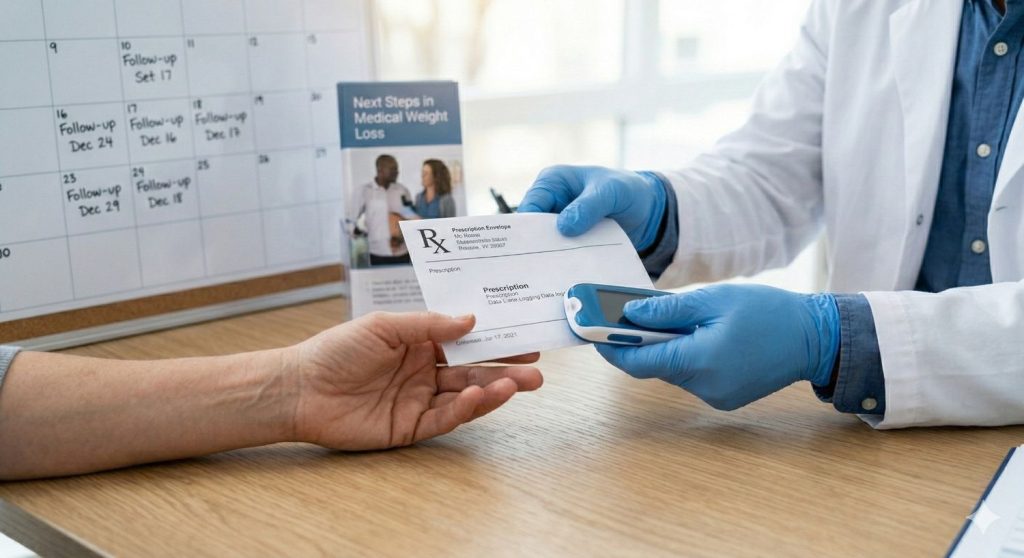
Your journey begins with a one-on-one consultation. Doctors review your BMI, medical history, and weight loss goals. They explain the medication, expected outcomes, and any potential side effects, setting realistic expectations.
Medication Administration
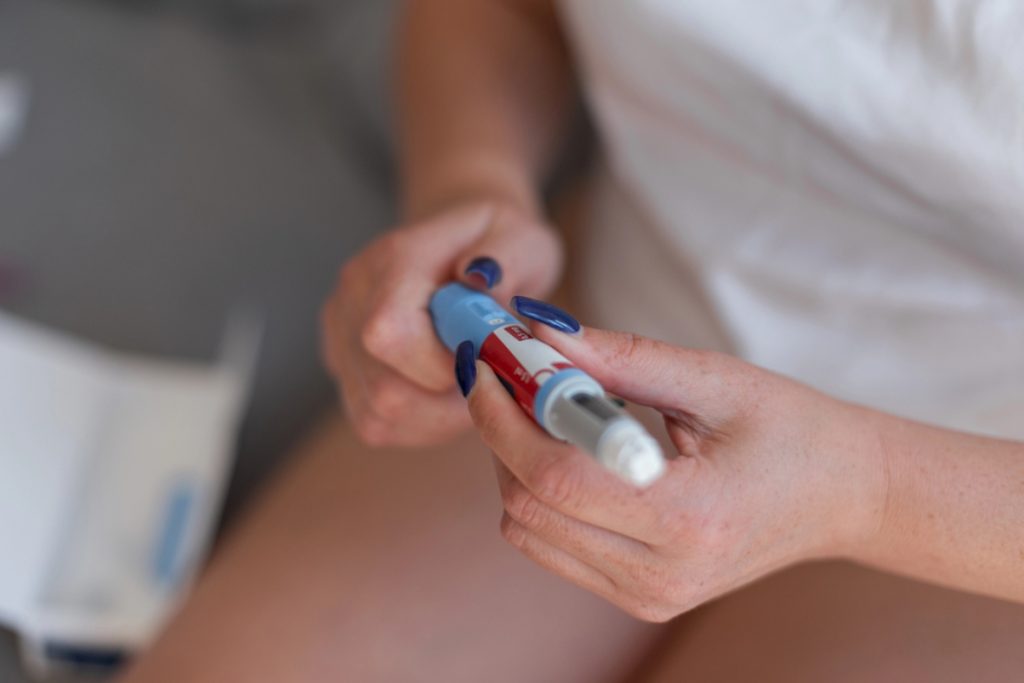
GLP-1 medications are usually injected subcutaneously. Providers start with low doses to minimize side effects and gradually increase the dosage for optimal results. Patients learn how to administer the medication themselves, ensuring convenience and independence.
Monitoring Progress
Regular follow-ups track weight, BMI, lab results, and overall health. Adjustments to dosage or lifestyle recommendations are made as needed, ensuring safe and effective results.
Lifestyle Support Alongside GLP-1
Medication works best when paired with lifestyle changes. Sustainable weight loss comes from habits that support your goals.
Diet Adjustments
Balanced meals, portion control, and whole foods are recommended. GLP-1 helps reduce appetite, making it easier to stick to these eating habits without feeling deprived.
Exercise Recommendations
A combination of cardiovascular activity and strength training helps preserve muscle mass, increase metabolism, and improve overall fitness. Even consistent walking or light resistance training can significantly enhance results.
Behavioral Changes
Tracking meals, practicing mindful eating, and managing stress are essential for long-term success. Houston clinics often provide counseling or support groups to help patients maintain these changes.
Cost Considerations and Insurance Coverage
GLP-1 therapy isn’t inexpensive, but costs vary based on dosage, medication type, and insurance coverage.
Average Costs in Houston
Out-of-pocket costs range from $800 to $1,500 per month without insurance. Some clinics offer discounts or package programs to make the treatment more accessible.
Insurance Options
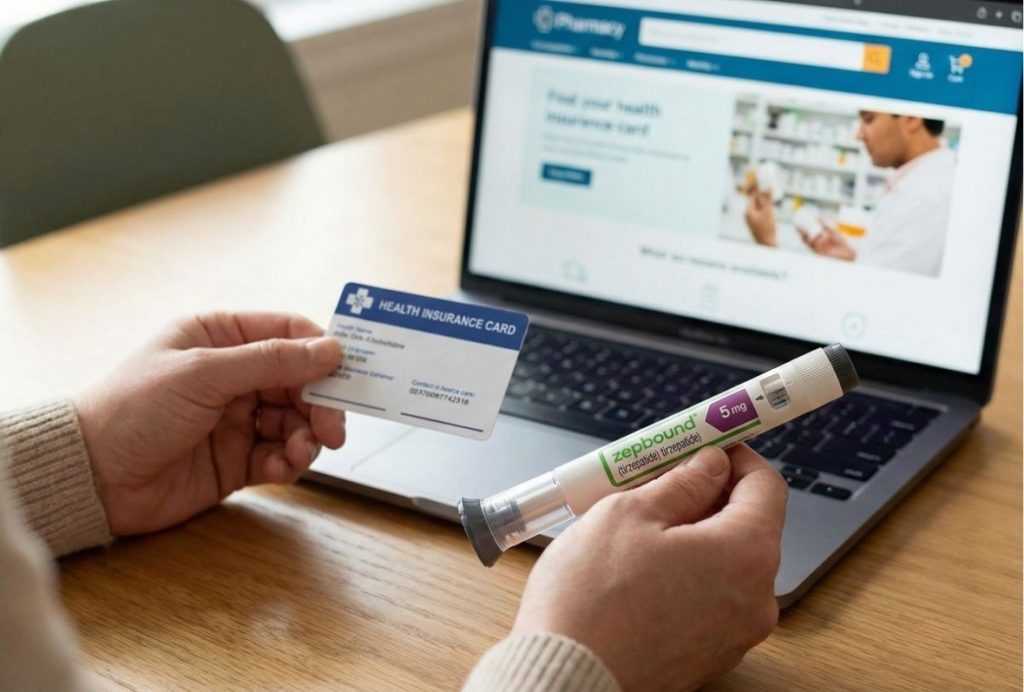
Many insurance plans cover GLP-1 medications for patients who meet BMI and health criteria. It’s important to check with your provider and clinic staff to see if coverage applies.
NewShape Weight Loss Clinic Serving the Shenandoah Community and Beyond in Houston
NewShape Weight Loss Clinic is dedicated to serving the diverse needs of the local community of Houston, including individuals residing in neighborhoods like Shenandoah. With its convenient location near landmarks such as the Klein Early Head Start/Head Start and major intersections like Gulfton St & Westward St (coordinates: 29.716704099999987, -95.4938099), we offer GLP-1 weight loss Houston services.
Get GLP-1 Weight Loss Services at Shenandoah Now
Navigate from Shenandoah to NewShape Weight Loss Clinic Now
Why GLP-1 Could Be the Game-Changer for Your Health
GLP-1 therapy is a powerful tool for weight management, particularly for patients with a BMI of 30 or higher, or 27+ with obesity-related health issues.
BMI serves as the main benchmark, but clinics like NewShape Weight Loss Clinic in Houston go beyond numbers, offering personalized care, monitoring, and lifestyle support. If you’ve struggled to lose weight despite your efforts, GLP-1 therapy might be the missing piece in your journey to better health.
FAQs
1. Can someone with a BMI under 27 take GLP-1 medications?
Typically, GLP-1 is not prescribed for BMIs under 27 unless there are specific health conditions. Clinics may evaluate exceptions individually.
2. How quickly will I see results on GLP-1?
Appetite suppression is usually noticeable in the first few weeks. Weight loss becomes visible within 2–3 months.
3. Is GLP-1 therapy safe for people with diabetes?
Yes. GLP-1 improves blood sugar control and is often prescribed for type 2 diabetes alongside weight management.
4. Can I take GLP-1 with other medications?
Some medications are compatible, but interactions vary. Your provider will review your current medications before prescribing.
5. How long do patients typically stay on GLP-1 therapy?
Duration varies. Many patients continue for 6–12 months based on goals, response, and side effects. Long-term maintenance plans are available.